If you’ve ever walked through a precision parts manufacturing shop—say, the workshop that makes aerospace turbine blades, medical device implant components, or high-end watch internal gears—you’ve likely seen that final, mesmerizing step where rough, machined metal turns into a smooth, blemish-free surface that fits with microscopic precision. That step is often drag polishing, and as a drag polishing machine supplier, I talk to new operators and shop managers all the time who assume running one of these machines is as simple as loading parts and hitting a start button. Let me tell you: that’s a recipe for ruined parts, wasted abrasive media, and even safety issues. The training required isn’t just a weekend course; it’s a structured, hands-on program that covers mechanical basics, material science, process control, and safety—because a drag polisher is a tool that balances art and engineering, and missteps cost real money. Drag Polishing Machine
First, let’s ground this in what a drag polishing machine actually does, because every training module starts with understanding the core of the equipment, not just its buttons. Unlike tumblers that roll parts around randomly, drag polishers use a large, rotating arm (called the drag arm) that dips baskets of parts into a tub of loose, abrasive media and compound. The arm moves the baskets in a specific, repetitive orbital pattern, so parts rub against each other and the media evenly, removing tiny burrs, tool marks, and surface roughness without changing the part’s dimensions. That last point is non-negotiable for industries like medical or aerospace, where even a 0.001-inch difference can cause a part to fail. So the first week of training is dedicated to mechanical and functional literacy, and it’s not theory only. New operators start by taking the machine apart (with supervision, of course), identifying each component: the drive motor, the media tub, the drag arm’s gear system, the vibration dampeners, and the compound dispensing line. They learn how to adjust the arm’s speed and stroke length—settings that directly impact polish time and surface finish. For example, a small part like a pacemaker lead connector needs a shorter stroke and slower speed to avoid scratching, while a large metal valve component can handle a longer stroke to speed up processing. This part of training isn’t something you can learn from a manual; it requires letting operators tweak settings on a test machine, see how a batch of media behaves at different speeds, and troubleshoot basic issues like a wobbly arm or uneven media distribution. Most reputable suppliers, including mine, provide this hands-on mechanical training as part of the equipment purchase, because we know a well-trained operator gets 30% more life out of the machine and produces higher-quality parts.
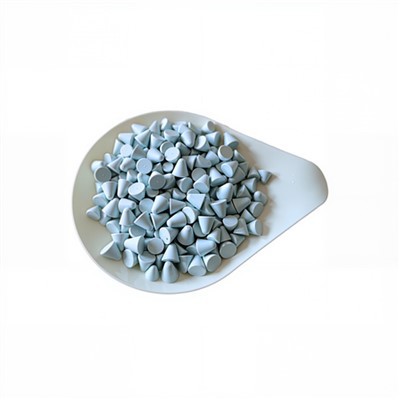
Next comes the most critical and often most overlooked part of training: material science and process matching. Drag polishing doesn’t use a one-size-fits-all approach, and picking the wrong media or compound for a part’s material is the number one mistake new operators make. Here’s an example: a stainless steel surgical instrument needs a different mix of media and compound than a titanium aerospace bracket, and both are totally different from a zinc alloy fastener. Training here covers the properties of common workpieces—hardness, surface roughness requirements, and sensitivity to corrosion. For instance, soft materials like aluminum can scratch easily if the media is too coarse, so operators learn to use nylon media coated with fine abrasive, paired with a water-based compound that doesn’t leave streaks. For hard materials like tungsten carbide, they need denser ceramic media with a sharper grit, because the media needs enough pressure to wear down the tough surface. But it’s not just about the media itself; operators learn to calculate media-to-part ratio. The rule of thumb is 70% media, 25% parts, 5% extra space in the basket—too many parts and they’ll rub against each other too hard, causing scratches; too few and the media will leave behind uneven polish marks. I’ve seen new operators fill a basket 100% with parts because they wanted to run a bigger batch, only to have 20% of the parts come back with deep scratches that meant scrapping the entire run. That’s why process matching training includes hands-on testing: operators run small batches of different materials, test different media grits and mixes, and measure surface roughness with a profilometer to confirm they’re meeting specifications before running full production batches. This module also covers compound management—how to test compound pH levels, when to add more compound, and how to dispose of used compound safely, a key point for shops that handle medical or food-grade parts.
Once operators master mechanics and process matching, they move into process control and quality assurance, because drag polishing isn’t a “set it and forget it” process. Even with perfect settings, media breaks down over time—ceramic media chips, abrasive wears off, and the media mix changes. Training here teaches operators how to perform daily pre-operation checks: inspecting media for chips or wear, testing arm alignment, checking compound levels, and verifying that the machine’s timer and temperature controls are accurate. They also learn batch tracking: logging every run, including part type, media used, run time, compound type, and final surface finish. This is critical for ISO-compliant shops, which need to document every step for audits. For example, a medical device manufacturer making hip implants must prove that each polish run meets FDA requirements, so operators have to record not just that the machine ran, but that all settings were within specified limits. Training also covers troubleshooting common issues in real time, not just after a batch is done. If a batch comes back with inconsistent polish, an operator who’s been trained can check if the media was improperly mixed, if the arm speed was too low, or if the basket was overloaded—instead of running another full batch to guess. This troubleshooting module also includes how to handle process deviations: if a power outage stops a run, when it’s safe to restart and when parts need to be reprocessed, or how to adjust settings if a batch is taking longer than expected without sacrificing quality.
Safety is another non-negotiable part of training, and it’s not just reading off a OSHA checklist. Drag polishing machines use heavy media, moving arms, and sometimes rotating baskets, so there are real hazards if operators don’t know how to avoid them. Training here starts with personal protective equipment (PPE): why safety glasses, chemical-resistant gloves, and closed-toe shoes are required, even for routine runs, because compound can splash and loose media can fall. Then it covers machine guarding—never bypassing safety interlocks, which shut the machine down if the door is opened mid-run, and how to inspect those interlocks monthly to make sure they work. Operators learn lockout/tagout procedures for maintenance, because if the machine is being cleaned or repaired, it’s critical to ensure it can’t turn on unexpectedly. I’ve also seen shops make mistakes with media disposal: some abrasive media is mixed with silica, which is a respiratory hazard if inhaled as dust, so training teaches operators how to safely empty media tubs, use dust extraction systems, and dispose of media according to local environmental regulations. For example, a shop running steel media that’s been contaminated with medical parts can’t just throw it in the regular trash; they have to follow biohazard disposal rules, which is a detail new operators often miss without structured training.
Wait, but what about continuing training? A lot of shops think one week of training is enough, but the best operators I’ve worked with go through annual refreshers, especially when they process new types of parts or new materials. For example, when a watch manufacturer starts processing 3D-printed titanium parts, which have very rough, uneven surface layers, they need new training on how to adjust drag pressure and media type to avoid distorting the delicate, thin-walled parts. As a supplier, we offer ongoing training webinars, on-site refreshers, and access to a technical help line, because technology changes too—new media formulations, automated compound dosing systems, and IoT-enabled drag polishers that monitor run time and media wear in real time. Operators who are trained to use these new digital features can improve efficiency by 15% or more, because they don’t have to check the machine manually every hour.
Let me be clear: I don’t say this as a drag polishing machine supplier just selling training. I say this because I’ve seen what happens when operators are under-trained: a small aerospace shop spent $50,000 on a drag polisher, hired an operator who watched a 2-hour YouTube video on how to use it, and ended up ruining $100,000 worth of titanium turbine blades in three months because they used the wrong media and overloaded the baskets. That’s a waste of investment no shop can afford. Good training turns a machine that’s just metal and motors into a tool that delivers consistent, high-quality parts, reduces scrap rates, and extends the machine’s lifespan by years.

If you’re considering adding a drag polishing machine to your workshop, or if you’ve already got one but aren’t getting the results you need, investing in proper operator training is just as important as choosing the right machine. Our team is here to work with you to design a training program tailored to your specific parts, materials, and production needs—whether that’s on-site training at your facility, hands-on sessions at our demo lab, or ongoing support as your operations grow. Don’t let under-trained operators turn your precision investment into a source of frustration. Reach out to our team to discuss your requirements, and let’s make sure your drag polishing process delivers the quality and efficiency you expect.
Abrasive Compounds References
- Surface Finishing Society. (2021). Operator Training Standards for Mass Finishing Equipment. International Journal of Surface Finishing Technology, 12(3), 45-52.
- Occupational Safety and Health Administration (OSHA). (2022). Safety Guidelines for Material Handling and Finishing Equipment. U.S. Department of Labor.
- Precision Machining Association. (2023). Process Control Best Practices for Drag Polishing in Medical and Aerospace Manufacturing. PMA Technical Bulletin 78-23.
- Abrasive Media Manufacturers Association. (2022). Material-Appropriate Media Selection for Mass Finishing Processes. AMMA Industry Report 04-22.
Dongguan Xindingsheng Intelligent Grinding Technology Co., Ltd.
Dongguan Xindingsheng Intelligent Grinding Technology Co., Ltd. is one of the most reliable drag polishing machine manufacturers and suppliers in China, also supports customized service. Please feel free to wholesale bulk high quality drag polishing machine in stock here from our factory. Contact us for pricelist.
Address: Room 101, Building 1, No. 73 Dahuangmei Road, Dalingshan Town, Dongguan City, Guangdong Province, China
E-mail: cndskj@126.com
WebSite: https://www.xdsfinishing.com/
