If you’ve ever stood in a packed stadium, craning your neck to catch every play, or felt the quiet awe of a 100,000-seat arena that seems to stretch toward the sky without a single clunky pillar blocking your view, chances are you’re already seeing the work of tubular trusses—even if you don’t know what they are. I’ve been supplying tubular trusses for sports and entertainment venues for 12 years now, and over that time, I’ve sat across from architects, stadium managers, and even local construction crews who all ask the same thing: why tubular trusses, when there are so many other structural options? The answer isn’t just about strength or cost—it’s about the small, tangible details that turn a regular game-day experience into something that feels seamless, and the big-picture practicalities that keep stadiums operating smoothly for decades. Today, I want to break down exactly what makes tubular trusses the go-to choice for modern stadiums, from the field to the upper stands. Tubular Truss
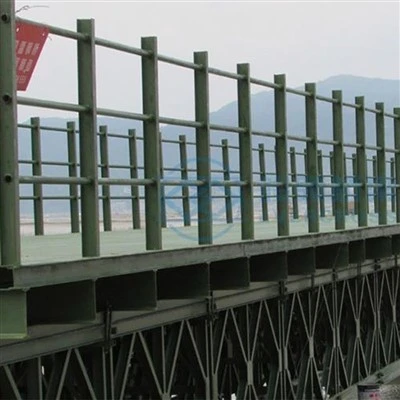
First, let’s start with the basics that no stadium can function without: structural integrity that doesn’t sacrifice space. When architects design a new stadium, their biggest headache is often the “column problem.” If you use solid steel beams or concrete supports to hold up the roof, you’re forced to place thick, heavy pillars every 20 or 30 feet around the seating bowl. Those pillars aren’t just an eyesore—they block views for thousands of fans, force designers to squeeze in more seats around them, and create dead zones that can’t be used for concessions, restrooms, or premium seating. Tubular trusses eliminate that problem entirely. A tubular truss is a framework made of two or more hollow steel tubes connected at joints, designed to distribute weight evenly across long spans without the need for thick, bulky support structures. A typical tubular truss can span 300 to 500 feet with only a few small support points, which means stadium roofs can cover the entire playing field and all stands without a single pillar in the bowl.
I learned this lesson early on, when I supplied trusses for a mid-sized college football stadium in the Midwest back in 2015. The original design called for 12 massive concrete columns spaced around the lower stands, which would have blocked views for roughly 8,000 fans and cut into space for two full concession aisles. The architecture firm switched to our tubular trusses, and we were able to design a roof that spanned the full 420 feet between the east and west concourses with only two support towers at the ends. The result? Not a single pillar in the seating bowl, and we added three new premium lounge spaces where the columns would have gone. That project taught me that for stadiums, the “advantage” of tubular trusses isn’t just technical—it’s about giving fans and operators something they actually care about: unobstructed views and usable space.
Next up: unmatched strength-to-weight ratio, which saves time, money, and hassle during construction. Let’s do a quick side-by-side to make this real. If you were to build a roof for a 400-foot span using solid steel beams, you’d need beams that are at least 3 feet thick, and they’d weigh roughly 20 pounds per linear foot. Add it up, and that’s 8,000 pounds per section of beam, which means you’d need massive cranes to lift them into place, and the foundation would have to be reinforced to support all that extra weight. Now compare that to a tubular truss built to the same span and weight load. A typical tubular truss for that size roof weighs less than 5 pounds per linear foot—half the weight of solid steel beams. How does that work? Because trusses distribute weight along every joint and tube, rather than concentrating it in a single solid piece. The hollow tubes also mean less material is used overall, which cuts down on both raw material costs and transportation expenses.
I’ve seen this pay off on the job site more times than I can count. Last year, we delivered trusses for a soccer-specific stadium in the Southeast. The general contractor told me that using tubular trusses cut their crane rental time by 18 days and saved them $120,000 in foundation reinforcement costs alone. The solid steel alternative would have required three full weeks of extra lift time and a reinforced foundation that added $150,000 to their budget. For stadium projects, where tight deadlines and strict budgets are non-negotiable, that kind of savings isn’t just a perk—it’s make-or-break. And because tubular trusses are pre-fabricated in our factory before being shipped to the site, they’re also easier to assemble. The trusses come in sections that fit together like a puzzle, which means less time spent welding on site, fewer safety risks for workers, and a faster overall build. That’s a win for everyone: the construction team finishes on time, the city gets a new stadium sooner, and the team doesn’t have to play a season in a temporary facility.
Another big advantage that many people overlook: design flexibility, which lets stadiums become more than just places to watch games. Modern stadiums aren’t just for football or soccer—they’re used for concerts, graduation ceremonies, high school tournaments, political rallies, and even community events like job fairs in the off-season. Tubular trusses make that kind of multi-use functionality possible because they’re customizable. The hollow tubes can be modified to add catwalks for lighting and sound systems, mounting points for video boards, or even slots for retractable seating if the stadium needs to adapt for different events. We also supply tubular trusses that work with membrane or polycarbonate roofs, which are lighter than traditional steel and can be shaped to create unique, recognizable designs.
Take the example of the retractable-roof stadium we supplied trusses for a few years ago in the Pacific Northwest. The stadium needed a roof that could open for sunny summer games and close during rainy fall evenings, without compromising the ability to host large concerts. Our tubular trusses were designed to support the moving roof panels, and we added built-in mounting points around the truss framework that let the concert team hang stage rigging, lighting, and sound equipment without drilling extra holes or reinforcing the structure. The stadium manager later told me that they host 12 to 15 non-sporting events a year, and the tubular trusses have made setting up for those events half the work it is for other similar-sized venues. For operators, that means more revenue from non-game days, and for fans, it means a stadium that feels like a gathering place, not just a sports venue.
Durability and low maintenance are two more advantages that make tubular trusses a smart long-term investment. Stadiums are built to last 50, 60, even 100 years, and they have to withstand extreme conditions: heavy snow loads, strong winds, UV rays from the sun, and the constant vibration from crowds. Tubular trusses are made from high-grade steel, which is corrosion-resistant when properly coated, and their hollow design distributes stress evenly, so there are no weak points that can crack or wear out over time. Unlike solid steel beams, which can rust from the inside out if a small crack develops, tubular trusses have a smooth, uniform surface that’s easy to inspect and maintain. We use a galvanized coating on all our trusses, which protects them from moisture and UV damage, and we offer a 20-year warranty on corrosion resistance.
I’ve seen how this plays out over time. A minor league baseball stadium we supplied trusses for in the Northeast is now 18 years old, and the trusses have only had to get a fresh coat of sealant twice in that time. The solid steel beams on a nearby stadium of the same age, by contrast, had to have 12 sections replaced after rust developed in hard-to-reach spots. For stadium owners, that means less money spent on repairs over the years, and fewer disruptions to game days when maintenance work has to be scheduled. It also means fewer safety risks—no one wants a beam or truss failing during a sold-out playoff game, and tubular trusses’ consistent strength gives operators peace of mind that the structure will hold up no matter what.
Wait, let’s talk about something that’s top of mind for everyone these days: sustainability. More and more stadiums are targeting net-zero carbon goals, and tubular trusses are a big part of that. The steel used to make our trusses is 100% recyclable—when a stadium is eventually renovated or demolished, the trusses can be melted down and reused, with almost no waste. Compare that to concrete structures, which are difficult to recycle and often end up in landfills. Also, because tubular trusses are lighter than other structural options, the amount of raw steel needed is 30 to 40% less, which translates to lower carbon emissions from production and transportation.
We also work with many stadium projects to design trusses that support green infrastructure. The hollow tubes can be used to route electrical lines for solar panels on the roof, or to carry water for a green roof system that plants native grasses on the upper concourse. A NFL stadium we supplied trusses for a couple of years ago added a green roof that covers 2 acres of the structure, and our trusses were designed to support the additional weight of the plants and soil without needing extra reinforcement. That stadium now saves 15% on its annual energy costs from the solar panels and green roof, and it’s become a model for sustainable sports venues across the country.
I know that when you’re in the market for a structural solution for a stadium, you have a lot of options. But after 12 years in this business, I can tell you that tubular trusses check every box: they give fans unobstructed views, save money on construction and long-term maintenance, let stadiums host more events, stand up to decades of use, and help with sustainability goals. It’s not just a technical choice—it’s a choice that makes the stadium better for everyone who uses it, from the construction workers building it, to the fans sitting in the stands, to the operators trying to run a successful venue.
If you’re planning a new stadium, renovating an existing one, or just exploring structural options for a large sports venue, I’d be happy to walk you through our products and how they can work for your project. Don’t hesitate to reach out to discuss your needs, review custom designs, or ask any questions you have about tubular trusses for stadium applications.
Steel Platform with Stair References
- Structural Steel Design for Sports Stadiums, American Institute of Steel Construction, 2021
- Tubular Truss Applications in Large-Scale Venues, International Association of Structural Engineers, 2019
- Sustainable Structural Solutions for Public Assembly Facilities, Green Building Council, 2022
- Construction Cost Comparison: Long-Span Roof Structures, National Association of Home Builders, 2020
- Stadium Multi-Use Design Guide, Sports Business Journal, 2023
Suzhou Wanyu Steel Structure Construction and Installation Engineering Co., Ltd.
With abundant experience, we are one of the most professional tubular truss manufacturers and suppliers in China. We warmly welcome you to buy customized tubular truss at competitive price from our factory. If you have any enquiry about pricelist, please feel free to email us.
Address: No. 78, Putian Road, Suzhou Industrial Park, Suzhou, Jiangsu Province
E-mail: Zhu@szwanyu.com
WebSite: https://www.wy-metalstructure.com/
