If you’ve ever walked through a commercial greenhouse on a scorching summer day, or spotted a neatly zoned dust-suppression setup at a construction site, you’ve probably seen an industrial mist generator doing its thing. For years, folks in my line of work have fielded the same question: “Can I control this thing from my desk, or do I have to trudge over to the warehouse every time I need to tweak it?” Let’s cut to the chase—yes, industrial mist generators absolutely support remote control, and that feature isn’t just a fancy add-on anymore, it’s table stakes for most modern operations. As a supplier of these units, I’ve seen first-hand how remote control turns a clunky, labor-heavy tool into a flexible, efficient workhorse, but there’s a lot of nuance to it beyond a simple “yes.” Industrial Mist Generator
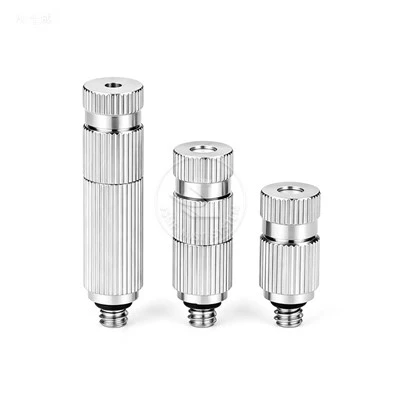
First, let’s break down how remote control actually works for these machines, because it’s not just a smart speaker you can yell at from the other room. Most industrial mist generators run on two core connection types, and which one you get depends on your space and needs. For facilities that already have a Wi-Fi network set up (think warehouses, farms with existing IoT infrastructure, or manufacturing plants), our units integrate with standard Wi-Fi, so you can hook into them via a mobile app or a web dashboard. That means you can adjust mist flow rate, turn it on or off, or even tweak the nozzle pressure without ever stepping foot near the unit. For sites where Wi-Fi is spotty—remote mining locations, outdoor construction zones, or big agricultural fields with wide coverage needs—we also offer cellular-connected models. We’re not talking some consumer-grade SIM card here, either; these use industrial-grade LTE or even LoRa for long-range, low-power connections, so you can access your generator from 10, 20, or even 50 miles away, no cell service dead zones to worry about.
The biggest misconception I run into with new buyers is that remote control is just for turning machines on and off. Sure, that’s a small part of it, but the real value is in the fine-grained adjustments that save you time, water, and money. Let’s take a nursery as an example. If you’ve got a batch of delicate seedlings that need consistent misting at 8 a.m. sharp, you can set a schedule on your dashboard to crank the mist up then, and dial it back to 30% flow at noon when the humidity is already high. Before remote control, a staff member would have to go out to the mist generator every hour, manually twist a valve, and cross their fingers they didn’t mess up the moisture levels. Now, that same nursery can automate it all from their office desk, or even on their phone while they’re grabbing coffee. For dust suppression at a demolition site, remote control means you can turn the mist on only when equipment is running, instead of wasting water on empty lots. No more leaving it on overnight for no reason, which cuts your water bills by 20-30% for most clients I work with.
Another game-changer with remote control is real-time monitoring, which is a step above just controlling the machine. A lot of people think these machines just spit mist, but they have built-in sensors that track things like water pressure, mist output, tank levels, and even ambient humidity and temperature. That data gets sent straight to your dashboard, so you don’t have to do manual checks every few hours. If your generator’s water tank is running low, you’ll get an alert on your phone before it runs dry, which means no more mid-shutdowns because your mist machine died. For food processing facilities that use mist to cool products and keep work areas sanitary, that alert system is huge—you don’t want to stop production because a generator ran out of water when it’s supposed to be operating around the clock. We even had a client in the steel industry tell us remote monitoring cut their unscheduled generator downtime by almost 80% in the first year they installed it. It’s not just about convenience, it’s about avoiding expensive disruptions.
Now, before you go thinking every industrial mist generator has remote control, let’s set some expectations. There are still basic, low-cost models out there for small operations (like a hobby farm with one small mist unit for a vegetable patch) that don’t have that feature. Those are fine for their use case, but if you’re running a larger operation—anything over 10,000 square feet, or with multiple generators spread across a site—you’re going to want the remote control upgrade. Also, not all remote control setups are created equal. Some cheap third-party add-ons you can find online are flimsy; they’ll cut out mid-use, or their dashboard will glitch when you try to adjust settings. As a supplier, we test every remote control module that goes on our units to make sure it can handle the tough industrial environments—dust, extreme temperatures, high humidity, the whole works. Those cheap add-ons might work for a month, but they’ll die in a construction site’s dust in a week.
There are also a few practical limits to remote control that you need to know about. First, if you lose your internet or cell service, you can’t control the generator remotely—though most of our models have a local control panel right on the machine, so you can still adjust it on-site. Another thing: if you’re using a cellular model, you’ll have a small monthly data fee, but for most clients, that’s way cheaper than the labor cost of sending someone out to check and adjust the generator all day. We always tell buyers to weigh the data fee against the money they’ll save on labor, water, and downtime, and nine times out of 10, it’s a no-brainer.
I’ve also seen some operations use remote control to do things they never thought possible before. For example, a landscaping company that services multiple commercial properties can manage all their mist generators from a single dashboard, instead of driving to each site every day to turn them on or off. That cuts their gas costs and saves them 10+ hours a week per technician. Another client in the wine industry uses remote control to adjust misting based on weather forecasts—if a frost is coming, they can crank the mist up to protect the grapes, even if they’re at home instead of on the vineyard. That’s the kind of flexibility you just can’t get with a manual generator.
Now, let’s talk about security, because I know a lot of people worry about that. If you’re connecting a machine that uses water (and potentially electricity) to your network, you don’t want some random person hacking into it. All our remote control modules use end-to-end encryption, same as your banking app, and we don’t store any of your data on our servers—everything stays on your local device or your own cloud account if you use that. We also let you set user permissions, so only the people you approve can access the generator’s controls. That means you don’t have to stress about someone messing with your mist settings from halfway across the world. It’s not a consumer smart device that’s easy to hack; these are built for industrial use, so security is baked in from the start.
At the end of the day, whether an industrial mist generator supports remote control depends on which model you pick, but for any serious operation, it’s a feature that pays for itself quickly. You’re not just getting a way to control the machine from your phone—you’re getting better efficiency, lower costs, less downtime, and more flexibility to adjust to whatever your site needs. If you’re still using a manual generator where you have to walk out every time you need to tweak the mist, you’re wasting time, money, and resources.
Mist Generator If you’re looking to upgrade your mist generator setups with remote control, or just want to learn more about how these systems work for your specific operation, reach out to us. We can walk you through the different models, help you figure out which connection type works best for your space, and even share case studies from other clients in your industry. No sales pitch, just straight talk about what will work for you.
References
- Industrial IoT Integration for Environmental Control Systems, Journal of Manufacturing Technology, 2022
- Dust Suppression Efficiency of Remote-Controlled Mist Generators, Construction Industry Review, 2023
- Smart Agriculture: Remote Misting Systems for Crop Management, Agricultural Engineering Journal, 2021
- Wireless Communication for Industrial Equipment, Industrial Electronics Society, 2022
- Water Conservation in Commercial Landscaping, Urban Water Management Report, 2023
Jinsheng Mist Forest-High Pressure Mist System
Address: 109 Yonghong Road, Wenjiang District, Chengdu City, Sichuan Province, China
E-mail: 18190767523@163.com
WebSite: https://www.jswsmist.com/
