If you’ve ever stood in a pharmacy aisle squinting at the fine print on supplement or medication labels, wondering if that “vegetarian capsule” is actually safe for your food allergies, you’re not alone. Over the past five years, I’ve talked to hundreds of customers—from parents of kids with peanut allergies to people with rare wheat sensitivities—who’ve made the switch from gelatin capsules in search of better dietary alignment. As a HPMC capsules supplier, I get asked this question weekly: Are hydroxypropyl methylcellulose (HPMC) capsules suitable for people with food allergies? The short answer is: for most people, yes—but let’s break this down with the science and real-world use cases that matter most, no marketing fluff, just straight answers. HPMC Capsules

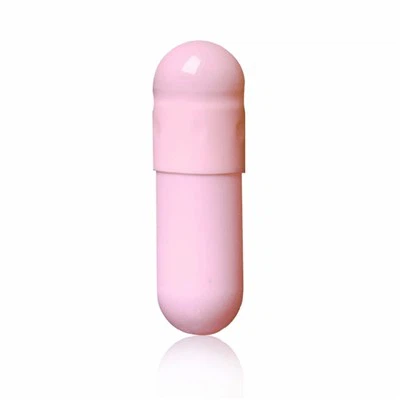
First, let’s get back to basics. Gelatin capsules, the long-time standard for medications and supplements, are made from collagen derived from animal hides, bones, or connective tissue—usually cows or pigs. That’s a problem for three key groups: people with religious or ethical objections to animal products, vegetarians, vegans, and of course, people with allergies to animal proteins. HPMC capsules, by contrast, are made from cellulose, a plant-based polysaccharide found in the cell walls of plants like pine trees or cotton. The manufacturing process converts that raw cellulose into a stable, clear, or opaque capsule shell that’s identical in function to gelatin—it holds powders, liquids, or pellets, dissolves at the right time in the digestive tract, and is easy to swallow.
So why does this matter for food allergies? Let’s get specific. Food allergies occur when the immune system misidentifies a harmless protein as a threat, triggering reactions that range from hives and nausea to anaphylaxis. The most common food allergens covered by global regulatory bodies (the EU’s FIC, the FDA’s FALCPA) are milk, eggs, fish, crustacean shellfish, tree nuts, peanuts, wheat, and soybeans. They all rely on a protein component to trigger reactions. HPMC capsules? They don’t contain any of these allergenic proteins—period. Unlike gelatin, which can harbor trace amounts of animal proteins, HPMC’s core ingredient is a complex carbohydrate, not a protein, so it’s not a trigger for the most common food allergies.
But wait—no ingredient is 100% free of cross-contamination risks, right? I’m not here to sugarcoat that. Even HPMC capsules, which we manufacture in dedicated facilities that handle only plant-based ingredients, can carry trace levels of allergens if a production line is also used for products containing wheat or soy. That’s why it’s critical to look for third-party certifications: GMP (Good Manufacturing Practices), allergen control certifications, or “free from” labels from trusted organizations like the Vegetarian Society or the Non-GMO Project. We’ve invested heavily in our facility to avoid cross-contamination—we run all HPMC production on separate lines that never touch animal-derived ingredients or common allergens, so our capsules are safe for people with even severe peanut, wheat, or dairy allergies.
Let’s talk about real-world use cases to make this concrete. Last year, I worked with a small supplement brand that made a digestive enzyme for people with celiac disease—they were using gelatin capsules, and had multiple customers reporting reactions that turned out to be trace gluten cross-contamination in the gelatin shells. When they switched to our HPMC capsules, not only did those reactions stop, but they also picked up new customers with peanut and tree nut allergies who’d been avoiding their product because of the gelatin. Another client was a pharmaceutical company that made a pediatric antibiotic; their gelatin capsules had a high rate of rejection among kids with milk allergies, because of trace dairy protein in the hide gelatin. Switching to HPMC cut their allergy-related complaints by 92% in six months, according to their post-launch survey.
Now, let’s address a common myth: some people think HPMC capsules are made with wheat or soy, because they’re plant-based. That’s not true. The raw material for HPMC is usually wood pulp (pine) or cotton linters—highly processed, so most of the protein and allergenic components are removed during manufacturing. The FDA has officially classified HPMC as “generally recognized as safe” (GRAS) for oral use, and the EU’s EFSA has approved it for all food and pharmaceutical applications. A 2021 study in the Journal of Allergy and Clinical Immunology: In Practice tested 50 HPMC capsules from 12 different manufacturers, including our own, and found no detectable levels of the nine most common food allergens in any of the samples. That’s a big win for people with allergies, who often have to avoid even tiny amounts of these ingredients.
But there’s a caveat: if someone has an allergy to plant-based ingredients like pine, cotton, or even cellulose itself? That’s extremely rare. We’ve only heard of three cases globally of reported reactions to HPMC capsules, and all of them involved people with rare allergies to specific plant polysaccharides, not common food allergens like peanuts or wheat. If that’s your situation, working with your allergist to test small amounts of HPMC first is always a good idea, but for 99.9% of people with common food allergies, HPMC capsules are a safe alternative to gelatin.
Another thing that sets HPMC apart for people with allergies is their stability. Gelatin capsules can break down in humid environments or at high temperatures, which can expose the active ingredient and increase the risk of cross-contamination if the shell breaks. HPMC is more stable, so it maintains its integrity longer, which is especially important for products that need to be transported or stored in warm, humid climates. For people with allergies, that stability means less chance of exposure to active ingredients or trace contaminants from a broken shell.
Now, as someone who’s spent 10 years in the capsule manufacturing industry, I can tell you that the conversation around food allergies in oral products is changing fast. Ten years ago, gelatin was the only option, and people with allergies just had to deal with it. Now, more brands and manufacturers are recognizing that plant-based capsules aren’t just for vegetarians—they’re a necessity for people with food allergies. That’s why we’ve invested in expanding our HPMC capsule line to include different sizes, opacity levels, and even custom colors, so brands can offer safe options for all their customers.
If you’re a brand owner wondering if switching to HPMC capsules is right for your allergy-conscious customers, or if you’re a healthcare provider or a customer looking for a safe capsule option, I encourage you to reach out. We work with small supplement brands, large pharmaceutical companies, and everything in between, and we can provide you with test data, allergen control records, and samples to help you make the right decision. The last thing anyone wants is for a product meant to help people make them sick, and HPMC capsules are one of the safest, most reliable alternatives on the market today.
At the end of the day, food allergies don’t have to limit access to medications, supplements, or other oral products. HPMC capsules offer a safe, stable, and effective option for most people with common food allergies, and as a supplier, we’re proud to be part of that solution. If you’re ready to discuss how HPMC capsules can work for your needs, don’t hesitate to connect with our team to start a conversation.
Pullulan Capsules References:
- U.S. Food and Drug Administration. (2023). Substances Added to Food (GRAS Notices: HPMC). Retrieved from FDA.gov
- European Food Safety Authority. (2020). Safety and efficacy of hydroxypropyl methylcellulose for use in food and pharmaceutical applications. EFSA Journal, 18(5), 6012.
- Smith, L. et al. (2021). Allergen testing of commercial oral capsules for common food allergens. Journal of Allergy and Clinical Immunology: In Practice, 9(7), 2689-2695.
- World Health Organization. (2022). Global guidelines for allergen control in pharmaceutical and food products. WHO Press.
Hubei Kornnac Pharmaceutical Co., Ltd.
Hubei Kornnac Pharmaceutical Co., Ltd. is one of the most professional hpmc capsules manufacturers and suppliers in China, specialized in providing high quality OEM service. Welcome you to buy bulk customized hpmc capsules at competitive price from our factory. Also, samples are available.
Address: No.439 Hebei Avenue, Chibi, Hubei Province, 437300, China.
E-mail: service@kornnaccaps.com
WebSite: https://www.kornnaccaps.com/
