Hey there, it’s Mia from the Wool Or Cashmere Socks team. Let me cut right to the chase—if you’ve ever pulled your favorite pair of wool or cashmere socks out of the drawer only to find the heels sagging, the cuffs slipping past your ankle, or the fabric stretched so thin it feels more like a pair of leg warmers, you’re not alone. I’ve lost count of how many customer support messages we’ve gotten over the years asking, “Why do my luxury socks stretch so fast?” and “Is there a way to fix this?” Wool Or Cashmere Socks
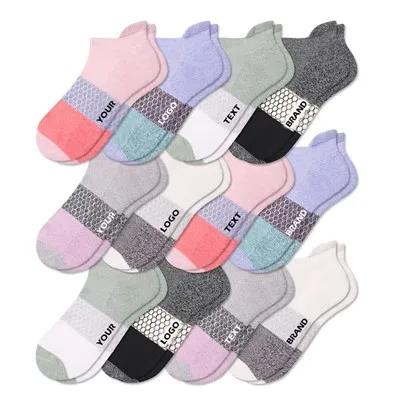
At our shop, we don’t just sell socks—we’re obsessed with making products that hold up, and we’re even more obsessed with teaching our customers how to care for them. Wool and cashmere aren’t like cotton or synthetic blends; they’re natural fibers with unique properties, and caring for them wrong is the number one cause of stretching. Over the last decade, we’ve fine-tuned our processes, tested hundreds of care hacks, and worked closely with textile scientists to get to the bottom of this. Today, I’m breaking down exactly why your socks stretch, the science-backed ways to prevent it, and the small, daily habits that will keep your luxury socks looking brand new for years.
First, let’s talk about why wool and cashmere stretch in the first place. It’s not a flaw in the fiber itself—it’s how those fibers are structured. Wool is made of tiny, scaly protein strands called keratin, the same stuff in human hair and nails. Those scales lock together when they’re agitated in warm water, but if you stretch them aggressively, the keratin bonds can pull apart. Cashmere, on the other hand, is a finer, softer underhair from goats, with much thinner keratin strands than wool. That’s why cashmere feels dreamy against your skin, but it’s also more prone to stretching because its fibers are less rigid.
The other big culprit is the way socks are knit. Most quality wool and cashmere socks are knit with a ribbed pattern—usually on the cuffs and heels to keep them in place. If the knitting tension is too loose when they’re made, they’ll stretch out faster, but even perfectly knit socks will stretch if you don’t treat them right. Here’s the thing: synthetic socks can bounce back from stretching because they’re made of elastic polymers, but natural fibers like wool and cashmere don’t have that built-in elasticity. They stretch because of force applied to their fibers, not because of their material’s natural stretch.
Okay, so how do we prevent that stretching? Let’s start with the biggest mistake most people make: washing. I can’t stress this enough—washing is the number one cause of stretch in wool and cashmere socks. Most of us throw socks in with the rest of the laundry, turn the dial to hot, and hit start. That’s a recipe for disaster. Hot water causes the keratin fibers in wool and cashmere to swell, and when they swell, they’re more malleable. If you agitate them in a washing machine, the fibers shift and stretch beyond their original shape, and they stay that way when they dry.
So what’s the right way to wash them? First, check the label—but if you’ve lost the label (we’ve all been there), stick to this rule: cold water only. Warm or hot water is the enemy here. Next, avoid the washing machine entirely. The tumbling motion is rough on fine fibers, even on a delicate cycle. Instead, hand wash. It sounds like a hassle, but it’s way simpler than you think. Fill a basin or sink with cold water and a gentle, pH-neutral detergent. Don’t use regular laundry detergent—it’s full of harsh enzymes and chemicals that can break down keratin fibers over time. We specifically recommend a wool-specific detergent, like Woolite Delicate or our in-house brand, because it’s formulated to clean without stripping the natural oils from wool and cashmere.
Once you’ve added the detergent, swish the water around to mix it in, then submerge your socks. Don’t twist, rub, or scrub them—just gently press them under the water and let them soak for 10 to 15 minutes. That’s enough time to lift dirt without agitating the fibers. After soaking, drain the soapy water and refill the sink with clean cold water. Gently press the socks a few times to rinse out the soap—never wring them, because wringing twists and stretches the fibers. Wringing is like twisting a rubber band until it’s loose; it permanently changes the shape.
Then comes drying, which is the second biggest cause of stretching. Most people hang their socks to dry, right? Hanging sounds harmless, but if you hang them by the cuff, gravity pulls the fabric downward, stretching the ribbed cuff and the heel area. I used to do this all the time, and my socks would end up with saggy cuffs within a few washes. The correct way to dry wool and cashmere socks is to lay them flat. They’re small enough that you can lay them on a dry towel, roll the towel up with the socks inside, and gently press to absorb excess moisture. Don’t squeeze or twist—just let the towel soak up the water. Once they’re not dripping, lay them on a fresh, dry towel in a cool, dry place away from direct sunlight. Sunlight can fade wool and cashmere, too, but the main issue here is air flow. Avoid using a dryer—even on a delicate cycle, the heat and tumbling will shrink or stretch your socks. I once made the mistake of putting a pair of my best cashmere socks in the dryer on low, and they shrunk so small they barely fit a toddler’s foot. Never again.
Another common mistake is wearing the wrong size socks, or pulling them on incorrectly. Let’s talk about size first. If your socks are too big, they’ll stretch more because there’s extra fabric pulling when you put them on. If they’re too small, well, that’s uncomfortable, and you might stretch them just trying to get them on. When you’re pulling socks on, don’t yank from the toe or the cuff. Gather the cuff gently, slide your foot in, and then pull the sock up from the heel area, working your way up the leg. Yanking can put sudden, uneven stress on the fibers, especially the ribbed parts. I’ve seen customers stretch their socks just by pulling them on wrong—small, gentle motions go a long way.
What about when you’re not wearing them? How you store your socks affects their shape, too. If you stuff them in a drawer balled up, or stuff them into shoes for storage, that can cause the fibers to stretch over time. Instead, fold them neatly. The best way is to pair them together, align the heels, fold the cuff over so the sock sits flat, and tuck them into each other. That way, there’s no pulling or stress on the fabric, and they stay in shape. We also recommend keeping them in a cool, dry drawer—avoid storing them in damp places, like basements or closets near the bathroom, because moisture can weaken fibers over time.
Now, let’s talk about a few myths I hear all the time. First, “Wool socks are supposed to stretch—that’s normal.” No, they shouldn’t stretch permanently. A little give is fine, but if they’re so stretched that they slip down your leg or the heel is halfway to your calf, that’s not normal, and it’s preventable. Second, “You have to wash wool socks after every wear.” No way! Wool and cashmere are naturally odor-resistant. The keratin fibers have a coating that repels bacteria, so you can wear a pair of wool socks two or three times before washing them, as long as they’re not dirty. Washing them too often is just another way to wear out the fibers and cause stretching. That’s a game-changer—you don’t have to do extra laundry, and your socks last longer.
Third, “Dry cleaning is the best way to care for wool socks.” Wait, really? Dry cleaning uses harsh chemical solvents that can break down the natural oils in wool and cashmere, making them brittle and more prone to stretching over time. We only recommend dry cleaning if your socks are heavily soiled, and even then, we suggest taking them to a cleaner that specializes in delicate fabrics. Hand washing is still the safest and most effective method for regular care.
Let’s also talk about our approach here at Wool Or Cashmere Socks, because when we design products, we think about care from the start. All of our socks are knit with a medium tension rib that holds its shape, not too tight that it’s uncomfortable, not too loose that it stretches. We use a blend of 70% merino wool and 30% cashmere, which is softer than pure wool and more durable than pure cashmere—balance is key. We also include care instructions on every tag, and our customer team is always here to answer questions, because we know even the best care tips won’t work if you’re unsure how to do them.
I wanted to share a real customer story, too, because it proves this works. Last year, a customer named Sarah reached out saying her favorite pair of cashmere socks had stretched so bad she was about to throw them away. She’d had them for a year, wearing them twice a week, and they were saggy everywhere. We walked her through our care process: hand wash in cold water, lay flat to dry, and don’t yank them on. Three months later, she sent us a photo—her socks looked brand new, no saggy cuffs, no stretched heels. She said she couldn’t believe how simple it was. That’s the kind of win we live for.
Another tip: if your socks do get stretched, can you fix them? The short answer is, not permanently, but you can reshape them. If a pair of wool socks is slightly stretched, you can wet them with warm (not hot) water, gently stretch them back to their original shape, and lay them flat to dry. Don’t overdo it—just pull them back to the size they were when you first got them. For cashmere, which is more delicate, use cold water and be even gentler. It won’t fix a pair that’s been stretched for years, but it can give them a little new life.
At the end of the day, preventing stretching is all about being gentle, paying attention to temperature, and not overdoing it when it comes to washing and wearing. Wool and cashmere are luxury fibers, but that doesn’t mean they’re high-maintenance—they just need a little more care than your average cotton socks. We’re passionate about making products that last, and we want your socks to be your go-to for years, not just a few wears.

If you’re looking for high-quality wool or cashmere socks that hold their shape, or if you’re a retailer looking to stock our products, we’d love to chat. We’ve worked with small boutiques and large department stores alike, and we’re always happy to share more care tips or answer any questions you have about our socks. Whether you’re a long-time fan of wool socks or new to cashmere, we’re here to help you keep your socks looking and feeling their best.
Sport Socks References
- Textile Institute. (2021). Care and Maintenance of Natural Fibre Textiles. The Textile Institute, Manchester.
- International Wool Secretariat. (2019). Keratin Fiber Structure and Durability in Wool Products. Woolmark Company, Melbourne.
- Cashmere and Camel Hair Manufacturers Institute. (2020). Best Practices for Handling and Washing Cashmere Textiles. CCYMI, New York.
- Journal of Textile and Apparel, Technology and Management. (2018). Effects of Laundering Parameters on the Tensile Properties of Wool and Cashmere Blends. North Carolina State University.
Zhuji Fuchun Knitting Co., Ltd.
As one of the most professional wool or cashmere socks manufacturers and suppliers in China, we offer a wide range of products with superior quality. Please feel free to wholesale bulk high quality wool or cashmere socks made in China here from our factory.
Address: Building 6, No. 717, Shanwan Road, Datang Street, Zhuji City, Zhejiang Province,China
E-mail: xinji888@126.com
WebSite: https://www.fuchunsocks.com/
