The paper industry is a cornerstone of modern manufacturing, with a wide – ranging impact on various aspects of daily life, from printing and writing to packaging. In this domain, ion exchange equipment plays a pivotal yet often overlooked role. As a leading supplier of ion exchange equipment, I am excited to delve into the diverse applications of this technology in the paper industry. Ion Exchange Equipment
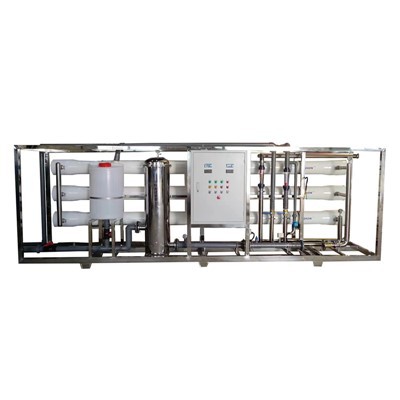
Water Treatment in Paper Production
Water is an indispensable resource in the paper – making process. It is used for pulping, washing, and diluting the pulp, as well as in many other stages. However, raw water often contains various impurities such as calcium, magnesium, iron, and anions like chloride and sulfate. These impurities can have detrimental effects on the paper – making process and the quality of the final product.
Ion exchange equipment is used to remove these unwanted ions from the water supply. For instance, in a process called water softening, cation exchange resins are employed to exchange calcium and magnesium ions in the water with sodium ions. When hard water passes through a bed of cation exchange resin, the calcium and magnesium ions are attracted to the resin beads and replaced by sodium ions. This softened water is crucial for the papermaking process because hard water can cause scaling in pipes, boilers, and other equipment. Scaling reduces heat transfer efficiency, increases energy consumption, and can even lead to equipment failures.
Anion exchange resins are used to remove anions such as chloride, sulfate, and carbonate. These anions can react with other substances in the paper – making process, causing discoloration, corrosion of equipment, and affecting the strength and quality of the paper. By removing these anions, ion exchange equipment ensures that the water used in the process is of high quality, which in turn improves the overall product quality and the efficiency of the production process.
Pulp Treatment
In the pulp – making stage, ion exchange can be used to improve the properties of the pulp. Wood pulp, which is the most commonly used raw material for paper production, contains lignin, hemicellulose, and other impurities. Ion exchange resins can be used to selectively remove some of these impurities to enhance the brightness and strength of the pulp.
For example, some cation exchange resins can adsorb metal ions that are present in the pulp. Metal ions such as iron and copper can catalyze the oxidation of lignin, leading to yellowing of the pulp over time. By removing these metal ions, the ion exchange process helps to maintain the brightness of the pulp and prevent color degradation.
In addition, ion exchange can be used to adjust the pH of the pulp. Different types of paper require different pulp pH values. For high – quality papers, a more neutral pH is often preferred. Ion exchange resins can be used to either remove or add specific ions to adjust the pH of the pulp to the desired level. This precise control of the pulp’s chemical environment is essential for achieving consistent paper quality.
Chemical Recovery
The paper industry generates a significant amount of chemical waste during the production process. Ion exchange technology can be used to recover valuable chemicals from this waste stream. For example, in the kraft pulping process, a large amount of sodium hydroxide and sodium sulfide are used to break down the wood chips into pulp. After the pulping process, these chemicals are present in the spent liquor.
Ion exchange resins can be used to separate and recover these chemicals. Cation exchange resins can be used to remove metal ions from the spent liquor, while anion exchange resins can be used to recover the hydroxide and sulfide ions. This chemical recovery not only reduces the cost of raw materials but also minimizes the environmental impact of the paper – making process by reducing the amount of chemical waste that needs to be disposed of.
Effluent Treatment
The paper industry is a major source of industrial wastewater. This wastewater contains a variety of pollutants, including suspended solids, organic matter, and heavy metals. Ion exchange equipment can be an effective part of the wastewater treatment system.
Ion exchange resins can be used to remove heavy metals such as lead, mercury, and cadmium from the effluent. These heavy metals are highly toxic and can cause serious environmental and health problems if not properly removed. The resins adsorb the heavy metal ions through an ion – exchange reaction, and the treated water can then meet the environmental discharge standards.
In addition, ion exchange can be used in conjuction with other treatment methods to remove organic matter and reduce the biochemical oxygen demand (BOD) and chemical oxygen demand (COD) of the wastewater. This helps to protect the environment and comply with strict environmental regulations.
Quality Control of Paper Products
Ion exchange also plays a role in quality control of paper products. Some types of paper, such as photographic paper and high – end printing paper, require very strict chemical purity. Ion exchange can be used to ensure that the final paper product meets these high – quality standards.
By controlling the ion content of the water used in the paper – making process, as well as removing any residual impurities from the pulp and chemicals, ion exchange helps to produce paper with consistent physical and chemical properties. For example, it can prevent the formation of spots or discoloration on the paper surface, which is particularly important for applications where visual appearance is crucial.
Conclusion
In conclusion, ion exchange equipment is an essential technology in the paper industry. From water treatment to pulp treatment, chemical recovery, effluent treatment, and quality control, it has a wide range of applications that can improve the efficiency of the production process, enhance the quality of the paper products, and reduce the environmental impact of the industry.
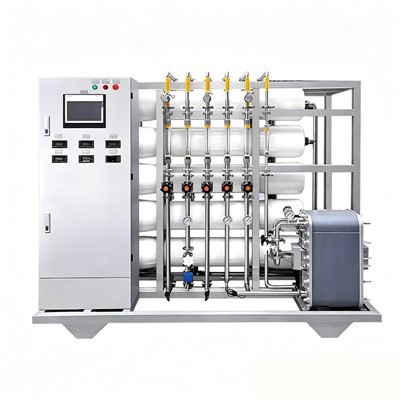
As a trusted supplier of ion exchange equipment, we understand the unique needs of the paper industry. Our products are designed to provide high – performance, reliable solutions that can meet the strict requirements of this demanding industry. Whether you are a large – scale paper mill or a small – to – medium – sized producer, our ion exchange equipment can help you optimize your production process and achieve better product quality.
Reverse Osmosis Water System If you are interested in learning more about how our ion exchange equipment can benefit your paper – making operation, or if you have any questions regarding the applications and selection of ion exchange technology, please feel free to contact us. We look forward to discussing your specific needs and providing you with the best – suited solutions for your business.
References
- "Papermaking Science and Technology" by Gullichsen, J. and Fogelholm, C. – J.
- "Ion Exchange: Principles and Applications" edited by Helfferich, F.
- "Industrial Wastewater Treatment Handbook" by Metcalf & Eddy.
Shandong Yanuo Environmental Protection Equipment Co., Ltd.
We’re well-known as one of the leading ion exchange equipment manufacturers and suppliers in China, featured by quality products and good price. Please rest assured to buy bulk ion exchange equipment made in China here from our factory. Customized orders are welcome.
Address: North Side of the Road, 1,000 Meters West of the Intersection of Fenghuangshan West Road and Provincial Highway S102, Wangfu Subdistrict, Qingzhou City, Weifang City, Shandong Province.
E-mail: ynhb.499973983@gmail.com
WebSite: https://www.zkyaruo.com/
