Hey there, let’s talk about something that’s been blowing up in industrial circles lately but still gets glossed over a lot: industrial biodiesel equipment. For anyone who’s been working in the fuel space or trying to cut their facility’s carbon footprint, this isn’t just a trend—it’s a game-changer. I’m from a biodiesel equipment supply company (no fancy brand drop here, just real talk), and I’ve helped a ton of factories, food processing plants, and even municipal operations build their setups over the years. So let’s break this down like we would over a coffee, no stuffy jargon or confusing buzzwords. Biodiesel Equipment
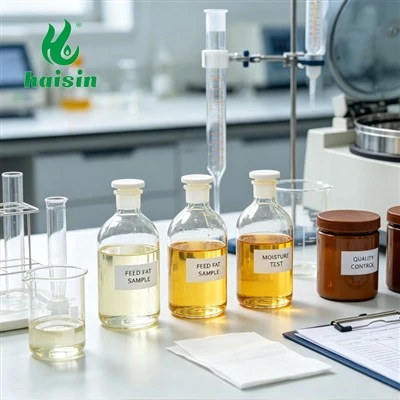
First off, let’s get the basics straight: what even IS industrial biodiesel equipment? It’s not the tiny backyard setup a hobbyist uses to turn kitchen grease into a tiny tank of fuel for their pickup. This is full-scale, heavy-duty gear built to handle big volumes—think thousands of gallons a day, not just a few. These systems take feedstock (that’s the raw stuff you use to make biodiesel) and turn it into a usable, low-emission fuel that works in regular diesel engines, no modifications needed. The feedstock can be anything from waste vegetable oil (WVO) from restaurants, animal fats from slaughterhouses, even used cooking oil from hotel buffets. That’s the cool part—you’re not just making fuel, you’re recycling waste that would otherwise go to a landfill or get burned, which is a huge win for both emissions and waste management.
Let’s walk through how these systems work step by step, because that’s where most people get confused. First, there’s the feedstock pre-treatment stage. Raw WVO or animal fat is messy—it has water, food particles, and gunk in it that’ll mess up the final fuel. So the first part of the equipment is filtration systems. We use a few layers here: big mesh filters to catch food chunks, then finer filters to get down to the tiny particles, and sometimes a drying unit to pull out all the water (even a little bit will ruin the reaction later). Some of our clients use a centrifuge here too—it spins the stuff so fast that the water and gunk separate out instantly, way faster than just letting it settle. That’s a big time-saver for industrial operations, because time is money when you’re processing hundreds of gallons an hour.
Next up is the main event: the transesterification reactor. This is the heart of the whole system. Here’s where the magic happens—you mix the pre-treated feedstock with methanol (or sometimes ethanol, depending on your setup) and a catalyst, usually lye (sodium or potassium hydroxide). The reaction breaks down the fat molecules in the feedstock into biodiesel and glycerin, that thick, sweet byproduct you might’ve seen in soap. The reactor we supply isn’t just a big tank, though—industrial ones have heating jackets to keep the mixture at the perfect temperature (around 120-140°F, if you care about numbers) and mixers that keep everything moving so the reaction is even. No hot spots, no lumpy batches, just consistent fuel every time. Some of our newer setups even use computer controls here—we call them PLC systems, but basically they monitor the temperature, pressure, and mix in real time so you don’t have to stand there watching dials all day. That’s been a game-changer for our clients who run 24/7 shifts.
After the reactor does its thing, you have two separate products floating in the tank: the top layer is crude biodiesel, and the bottom layer is raw glycerin. The equipment here has a decanter or a separator to drain the glycerin off—you can’t just pour that down the drain, it’s a valuable byproduct that can be turned into soap, animal feed, or even other industrial chemicals. So our systems make sure that separation is clean, so you get both good biodiesel and sellable glycerin. That’s extra revenue for our clients, which we always emphasize in our consultations.
Then comes the washing stage, which is super important. Crude biodiesel has leftover methanol, catalyst, and tiny bits of glycerin in it—if you don’t wash that out, the fuel will be corrosive and mess up engines. The washing step uses water (sometimes with a little mild acid to neutralize the catalyst) to rinse the biodiesel, and then another separator to pull the clean biodiesel away from the dirty water. We’ve tweaked our equipment here so that the washing process is efficient—no wasting tons of water, and the water can even be treated and reused if you want. Sustainable on top of sustainable, right?
Last step is drying and polishing. After washing, there’s still a little water in the biodiesel, so we use a vacuum dryer to pull that out without heating the fuel too much (heat can break down the fuel’s quality). Then a final polishing filter to catch any last tiny particles, so the fuel meets the official biodiesel standards—like ASTM D6751 in the US, or EN 14214 in Europe. That’s non-negotiable, because if your fuel doesn’t meet those standards, you can’t sell it or use it in most diesel engines. All our systems are calibrated to hit those marks every single time.
Now, you might be wondering: who actually uses this stuff? It’s not just big oil companies, that’s for sure. We work with a range of industrial clients: food processing plants that generate tons of waste oil daily, trucking fleets that want to cut their fuel costs and emissions, municipal waste departments that need to manage landfill waste, even some large agricultural operations that use animal fats from their farms. A few months back, we helped a major bus company retrofit their old setup to handle 10,000 gallons a day—they were spending a fortune on diesel and getting hit with emissions fines, so switching to biodiesel made sense. Within six months, they’d cut their fuel costs by 18% and dropped their emissions by over 50%. That’s the kind of win we live for.
Wait, but let’s talk about why industrial biodiesel equipment is different from small-scale. For one thing, it’s built to run non-stop. A hobbyist’s setup might only run a few hours a week, but our systems are made to run 24/7 with minimal downtime, and they’re made from heavy-duty stainless steel (no rusting, even when working with acidic washes). Also, small setups can get away with manual mixing and checking levels, but industrial ones need automation to keep labor costs low. Our clients don’t want to hire a team of people just to watch the reactor—they want a setup that a single operator can run, with easy-to-read screens and automated alerts if something’s off. And of course, volume: industrial equipment handles hundreds, even thousands of gallons per day, not the 50-gallon batch a hobbyist does. That scalability is key.
Another thing we always bring up is feedstock flexibility. Not all biodiesel is made the same, and not all equipment works with every type of feedstock. Some of our clients use 100% waste vegetable oil, others use a mix of restaurant grease and animal fat from slaughterhouses, and a few even use algae-based feedstock for a more sustainable angle. Our systems are built to adapt—we can adjust the pre-treatment and reactor settings depending on what feedstock you’re using, so you don’t have to buy a whole new setup if your feedstock changes down the line. That’s a big plus, because feedstock availability can fluctuate, and we want our clients to be able to roll with it.
Now, let’s get real about costs, because that’s the big question every client asks. Industrial biodiesel equipment isn’t cheap—we’re talking from like $50,000 for a small modular setup up to $2 million+ for a full, custom 10,000-gallon per day system. But here’s the thing: the ROI is there. You’re recycling waste that you might otherwise have to pay someone to haul away, you’re buying fuel for less than regular diesel (especially when oil prices are high), and some areas even give tax incentives for using biodiesel. A lot of our clients pay off their setup in 2-4 years, which is way faster than you’d think. We always do a custom cost-benefit analysis for each client, so they can see exactly what they’ll save before they even commit.
Of course, no equipment is perfect, and we’re real about that. The biggest challenges are making sure the feedstock is consistent (if one batch of restaurant grease is extra gunkey, you might have to adjust your filtration), and keeping the maintenance up—like changing filters, checking seals, and calibrating the PLC system. But we don’t just sell you a setup and disappear. We provide 24/7 support, on-site training for your operators, and regular maintenance checks. That’s what makes us different from the big box suppliers—we’re not just selling metal, we’re selling a partnership. If something breaks at 2 a.m., you call us, and we’ll help you fix it fast, no runaround.
Wait, also, let’s touch on the environmental side, because that’s why most people get into this in the first place. Biodiesel made from waste feedstock cuts greenhouse gas emissions by like 60-80% compared to regular diesel, depending on the feedstock. That’s huge for companies that have net-zero goals, or that want to meet strict emissions regulations. A lot of countries are cracking down on diesel emissions in industrial sectors, so switching to biodiesel isn’t just a cost saver—it’s a way to stay compliant and avoid fines.
So, if you’re an industrial operation that’s tired of high fuel costs, sick of paying to haul away waste oil or fat, or trying to hit sustainability targets, industrial biodiesel equipment is worth a hard look. But don’t just jump into it—you need to work with a supplier who knows their stuff, can help you figure out what size setup you need, what feedstock works best for you, and how to make the whole process smooth. We’ve seen way too many clients buy the wrong setup for their needs and end up wasting time and money, so that’s why we take the time to sit down with you, ask about your volume, your feedstock, your goals, and build a setup that’s custom for you.
At the end of the day, industrial biodiesel isn’t a niche solution—it’s a practical, profitable, sustainable way for industrial operations to do better for their bottom line and the planet. If you’re curious to learn more, or want to walk through what a setup would look like for your facility, we’re here to chat. No pressure, no sales pitch that feels like a used car lot—just real answers, real numbers, and a setup that works for your business.
Plant Acid Oil References:
- Biomass Energy Foundation. (2022). Industrial Biodiesel Production: Equipment and Best Practices. Renewable Energy Focus.
- U.S. Environmental Protection Agency. (2021). Biodiesel Handling and Use Guidelines for Industrial Operations. EPA Office of Transportation and Air Quality.
- European Biodiesel Board. (2023). Technical Standards for Industrial Biodiesel Production Equipment. EBB Technical Report Series.
- International Energy Agency. (2022). Biofuels for Industrial Transport: Scaling Up Production Capacity. IEA Bioenergy Task 39.
Haixin Energy Technology (Henan) Co., Ltd.
As one of the most professional biodiesel equipment manufacturers and suppliers in China, our products have good reputation in the market. Please rest assured to buy bulk biodiesel equipment made in China here from our factory. Good service and quality products are available.
Address: No. 2 South Road, 200m East Of The Intersection Of Mulan Avenue And National Highway 105, Shangqiu, Henan Province, China.
E-mail: wangli@haixinenergy.com
WebSite: https://www.haisin-energy.com/
