Flexographic printing machines are versatile and widely used in the packaging and label printing industries. As a supplier of flexographic printing machines, I often receive inquiries about the size of these machines. In this blog post, I will delve into the various aspects of the size of flexographic printing machines, including their physical dimensions, printing width, and how these factors impact their performance and suitability for different applications. Flexographic Printing Machine

Physical Dimensions of Flexographic Printing Machines
The physical size of a flexographic printing machine can vary significantly depending on its type, configuration, and intended use. Generally, flexographic printing machines can be classified into two main categories: narrow – web and wide – web machines.
Narrow – web flexographic printing machines are typically smaller in size and are designed for printing on narrow materials, such as labels, tapes, and small – format packaging. These machines usually have a compact footprint, which makes them suitable for small – to – medium – sized printing facilities with limited space. The length of a narrow – web flexographic printing machine can range from around 3 to 6 meters, while the width can be between 1 to 2 meters. The height of these machines is usually around 1.5 to 2 meters.
On the other hand, wide – web flexographic printing machines are larger and are used for printing on wider materials, such as large – format packaging, flexible films, and corrugated boards. These machines have a more substantial footprint and are often installed in larger printing plants. The length of a wide – web flexographic printing machine can be anywhere from 6 to 15 meters or more, and the width can range from 2 to 3.5 meters. The height of wide – web machines is also generally higher, around 2 to 3 meters.
The physical size of a flexographic printing machine is not only determined by its printing width but also by the number of printing units it has. Each printing unit adds to the overall length of the machine. For example, a basic flexographic printing machine with 4 printing units will be shorter than a machine with 8 or more printing units. Additionally, the inclusion of additional features such as drying systems, coating units, and die – cutting stations can also increase the size of the machine.
Printing Width of Flexographic Printing Machines
The printing width is a crucial factor when considering the size of a flexographic printing machine. It refers to the maximum width of the material that the machine can print on. The printing width can vary from as narrow as 100 mm for small – scale label printing machines to as wide as 2000 mm or more for large – format packaging printers.
Narrow – web flexographic printing machines typically have a printing width in the range of 100 to 600 mm. These machines are ideal for printing labels, stickers, and small – sized packaging. The relatively narrow printing width allows for precise printing on small – format materials and is well – suited for short – run jobs.
Wide – web flexographic printing machines, as the name suggests, have a much wider printing width. They can print on materials with a width of 600 mm to over 2000 mm. This makes them suitable for printing large – format packaging, such as boxes, flexible bags, and corrugated sheets. The wider printing width enables high – volume production and can significantly increase the efficiency of the printing process.
The choice of printing width depends on the specific requirements of the printing job. If you are mainly printing small – sized labels, a narrow – web machine with a smaller printing width will be sufficient. However, if you need to print large – format packaging or flexible films, a wide – web machine with a wider printing width is more appropriate.
Impact of Size on Performance and Suitability
The size of a flexographic printing machine has a direct impact on its performance and suitability for different applications.
Performance
Larger machines, especially wide – web flexographic printing machines, generally offer higher production speeds. The wider printing width allows for more material to be printed in a single pass, which can significantly increase the output per hour. Additionally, larger machines often have more advanced features and better – built components, which can result in higher print quality and more consistent results.
However, smaller machines, such as narrow – web flexographic printing machines, have their own advantages. They are more agile and can be easily set up for short – run jobs. They also require less floor space and can be a more cost – effective option for small – to – medium – sized printing businesses.
Suitability
The size of the machine also determines its suitability for different types of printing jobs. Narrow – web machines are well – suited for printing labels, stickers, and small – format packaging. They are ideal for businesses that focus on short – run, high – quality printing jobs. Wide – web machines, on the other hand, are better suited for large – scale production of large – format packaging and flexible films. They are commonly used in industries such as food packaging, beverage packaging, and consumer goods packaging.
Considerations When Choosing the Size of a Flexographic Printing Machine
When choosing the size of a flexographic printing machine, several factors need to be considered:
Production Volume
If you have a high – volume production requirement, a wide – web machine with a larger printing width and higher production speed may be more suitable. However, if you mainly handle short – run jobs, a narrow – web machine may be a better choice.
Available Space
The available floor space in your printing facility is an important consideration. Make sure to measure the available space and choose a machine that can fit comfortably without causing overcrowding.
Budget
Larger machines are generally more expensive than smaller ones. Consider your budget and determine how much you are willing to invest in a flexographic printing machine.
Future Growth
Think about your future business growth. If you expect to expand your production capacity in the future, it may be wise to choose a machine with a larger size and more advanced features that can accommodate your future needs.
Conclusion
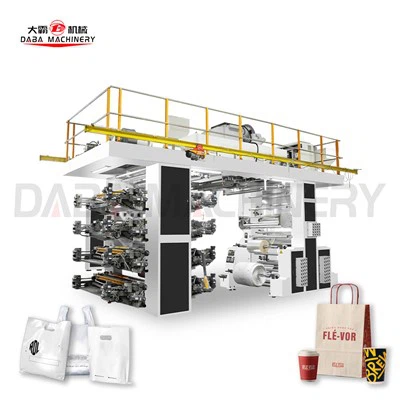
In conclusion, the size of a flexographic printing machine is an important factor to consider when purchasing one. It is determined by the physical dimensions, printing width, and the number of printing units. The size has a significant impact on the machine’s performance and suitability for different applications. As a supplier of flexographic printing machines, I understand the importance of choosing the right size for your specific needs. Whether you are looking for a small – scale narrow – web machine for label printing or a large – scale wide – web machine for high – volume packaging production, we can provide you with the appropriate solution.
Bubble Packaging Bag If you are interested in learning more about our flexographic printing machines or would like to discuss your specific requirements, please feel free to contact us. We are here to help you make the best decision for your printing business.
References
- "Flexographic Printing Technology" by John R. Cotteleer
- "Handbook of Flexographic Printing" by Graham F. Hughes
Wenzhou Daba Machinery Co., Ltd.
With abundant experience, we are one of the most professional flexographic printing machine manufacturers and suppliers in China. We warmly welcome you to wholesale advanced flexographic printing machine at competitive price from our factory. If you have any enquiry about cooperation, please feel free to email us.
Address: Qianbu Industrial Zone, Xincheng Street, Ruian City, Wenzhou, China.
E-mail: info1@dabamachinery.com
WebSite: https://www.dabaflexpack.com/
