As a longtime squid ring supplier with over a decade in the seafood industry, I’ve lost count of how many times I’ve heard the same question from chefs, home cooks, and even other seafood vendors: “What’s the right way to clean squid rings without ruining them?” Over the years, I’ve tested dozens of methods, adjusted for efficiency, and learned the hard way that cutting corners here leads to tough, rubbery rings that taste like fishy disappointment. Today, I’m pulling back the curtain on the exact process we use in our facility to prep squid for wholesale—one that balances food safety, texture, and flavor, and works just as well for home cooks too. Squid Ring
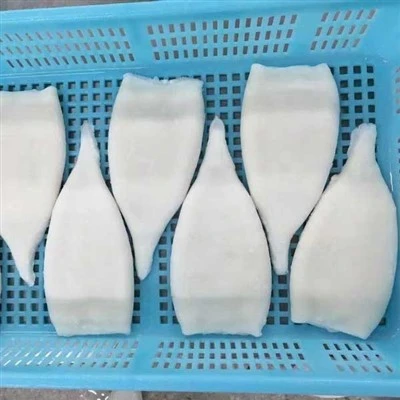
First, let’s get one thing straight: not all squid cleaning is created equal. The method for prepping squid for your family’s Friday night calamari bites isn’t the same as what we use for bulk orders to restaurants. But the core principles are universal: remove inedible parts (the beak, eyes, and cartilage), avoid over-washing that dilutes natural flavor, and handle the delicate mantle muscle (that’s the part that becomes a ring) gently to keep it tender. Let’s break this down step by step, with context from what we do behind the scenes to ship consistent, high-quality rings.
When our squid arrives at our facility, it’s already been caught and immediately frozen at sea (a key step we rely on to lock in freshness—frozen squid is just as good, if not better, than fresh for most uses, because freezing stops enzyme breakdown that can make meat tough over time). The first thing our team does is place the blocks of frozen squid in walk-in refrigerators to thaw for 12 to 18 hours—no rushing this. Thawing at 34 to 38 degrees Fahrenheit (just above freezing) ensures the squid defrosts evenly without allowing bacteria to multiply, which is a non-negotiable for food safety. For home cooks, if you’re in a pinch, you can thaw a bag of squid rings in a sealed plastic bag submerged in cold water, changing the water every 30 minutes—never use warm water, as it will start to cook the outer layer and ruin texture.
Once the squid is fully thawed, the next step is separating the mantle from the tentacles. This is where a lot of beginners mess up, and even some vendors skip it to save time (a mistake we refuse to make, because the mantle is what makes the perfect ring). For our team, we start by holding the squid’s body firmly in one hand and the head (with tentacles attached) in the other. A quick, steady pull separates the two—you’ll feel a slight pop where the cartilage connects, and the tentacles will come free in one piece. The mantle is the long, smooth tube that will become your rings, and the tentacles are saved for dishes like stir-fries, though we only use the front two inches of the tentacles for our ring orders, as the rest has more tough connective tissue.
Now, the inedible parts: this is the make-or-break part. The mantle has two hidden components that need to be removed before cutting rings: the gladius (also called the “pen”) and the outer skin. The gladius is a thin, transparent, hard quill that runs the entire length of the mantle—if you leave it in, your rings will have a tough, stringy texture that’s impossible to chew. For our team, we lay the mantle flat on a clean cutting board, smooth side down, and start at one end. Gently pull the edge of the gladius with a pair of tweezers or the tip of a knife— it should come out in one long, thin piece, like a straw. It takes a little practice, but once you get the hang of it, it takes seconds. For home cooks, if you don’t have tweezers, just run your fingers along the inside of the mantle—you’ll feel the hard quill, and you can work it loose with a small knife.
Next up: the outer skin. This thin, purple (or sometimes pinkish) skin might seem harmless, but it has a strong, briny flavor that can turn bitter when cooked, and it also makes the rings less tender. A lot of people scrub at it vigorously, but that’s a mistake—it’ll damage the delicate muscle underneath, leaving your rings ragged and tough. Our team uses a simple, efficient method: hold the mantle under cold running water, and use your thumb to rub the edge of the skin. It should peel off in large, easy strips in a matter of seconds. If you notice stubborn spots, you can gently scrape them with the edge of a knife, but don’t press too hard—you don’t want to remove any of the white muscle. For home cooks, this step is even simpler: after pulling the gladius, lay the mantle on a paper towel and pat it dry, then roll it up like a small burrito and squeeze gently— the skin will crack and peel right off. It sounds too easy, but it works every time.
Now for the tentacles: once we separate them from the mantle, we have to remove the beak, which is the small, hard, parrot-like mouth located right where the tentacles meet the head. This is the only part of the tentacles that’s inedible, and it’s easy to miss if you’re not looking for it. For our team, we hold the tentacles in one hand and use a small paring knife to dig out the hard beak— it’s a small, white, oval-shaped piece that’s almost hidden, so take your time. For home cooks, if you plan to use the tentacles alongside the rings, just pinching off the end where the beak is should do the trick, no need for a knife.
Now that all the inedible parts are removed, it’s time to cut the squid into rings. This step might seem straightforward, but there’s a right way and a wrong way to get uniform, sturdy rings. Our team uses sharp, stainless steel knives (dull knives tear the meat, leading to uneven rings) and cuts the mantle into half-inch to three-quarter inch rounds. Why that size? It’s perfect for frying— not too small that they disappear in a batter, not too large that the middle stays raw. For home cooks, you can adjust the size based on your recipe, but aim for consistency so they cook evenly. One pro tip we swear by: if your squid feels a little slimy at this point (which is normal, since squid is mostly water), pat the rings dry with paper towels before cooking. Moisture is the enemy of crispy calamari, and we’ve found that even a little excess water can make the batter fall off or the rings steam instead of fry.
Wait a second—what about frozen vs. fresh squid? I get it, some people swear by fresh, but in our years as a supplier, we’ve found that properly frozen squid is often better for cleaning. Fresh squid has active enzymes that start breaking down the meat as soon as it’s caught, which can make the outer skin harder to peel and the meat more likely to tear when cutting. Flash-frozen at sea stops those enzymes dead in their tracks, so the skin comes off easier, and the rings hold their shape much better during transport and cooking. That’s why all our squid is frozen within hours of being caught— we tell that to our restaurant clients all the time, and it’s one of the reasons our rings are so consistent.
Now, let’s talk about common mistakes we see people (and even some other vendors) make when cleaning squid rings. First, over-soaking. A lot of people soak squid in water or milk for hours, thinking it will remove fishy flavor. But squid is naturally mild, and over-soaking dilutes the delicate flavor and makes the rings watery. Our team only rinses the cleaned rings once under cold water, and that’s it—no long soaks. Second, not thawing properly. If you rush thawing and cut frozen squid, you’ll end up with uneven rings, ragged edges, and you might leave pieces of the gladius hidden in the mantle. Third, cooking the rings too long after cleaning. Squid is one of those proteins that cooks in two to three minutes—any longer, and it gets tough and rubbery. That’s why we recommend cleaning the rings right before cooking, not days in advance. If you have to store cleaned squid, wrap it tightly in plastic wrap and keep it in the coldest part of your fridge for no more than 24 hours.
At the end of the day, cleaning squid rings isn’t complicated—it’s just about being gentle, removing the hidden inedible parts, and taking your time. The process we use in our facility isn’t fancy, but it’s refined over thousands of orders to make sure every ring we ship is tender, flavorful, and perfect for any dish. Whether you’re a home cook making calamari for your family or a restaurant owner looking for a reliable squid ring supplier, taking the extra step to clean the squid properly makes all the difference.
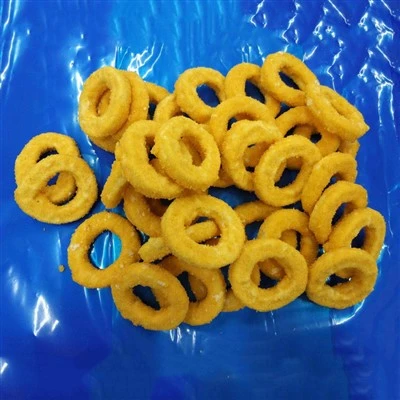
If you’re in the market for high-quality, consistently cleaned squid rings, we’re here to work with you. Whether you need small bulk orders for a local bistro or larger quantities for a chain of restaurants, we have the capacity and expertise to meet your needs. We prioritize food safety, freshness, and quality in every step of our process, from catch to delivery, and we’re ready to discuss how we can partner with you to get the best squid rings for your menu or home cooking.
Squid Tube Reference:
Seafood Nutrition Partnership. (2022). Squid: Handling and Preparation Guidelines for Retail and Foodservice.
National Oceanic and Atmospheric Administration (NOAA). (2021). Frozen Seafood Quality Best Practices for Commercial Operations.
Food and Agriculture Organization (FAO). (2020). Small Cephalopod Processing and Cleaning Methods for Small-Scale Producers.
Yantai East Food Storage Co., Ltd.
We’re well-known as one of the most experienced squid ring manufacturers in China. With a professional production team, we offer a wide range of frozen seafood with superior quality. Please feel free to wholesale bulk premium squid ring at low price from our factory.
Address: Room 1317, Huaxin International Business Building, No.28 Changjiang Road, Yantai Area, China (Shandong) Pilot Free Trade Zone
E-mail: sales@eastfoodcn.com
WebSite: https://www.yantaieastfood.com/
