When you’re running a forklift fleet—whether you’re a warehouse manager, logistics coordinator, or small business owner relying on material handling gear to keep operations moving—you know hydraulic systems are the unsung heroes of every lift, tilt, and transport. As a forklift supplier who’s spent more than 12 years troubleshooting, selling, and servicing units for industries from e-commerce fulfillment to manufacturing, I’ve seen how a small hydraulic glitch can grind an entire shift to a halt. What’s worse? Most issues aren’t sudden failures—they’re slow, avoidable problems that creep in before you even notice a change in how your forklift performs. Let’s break down the most common hydraulic system issues we see on our service bays every week, why they happen, and how you can spot them before they cost you time and money. Forklifts
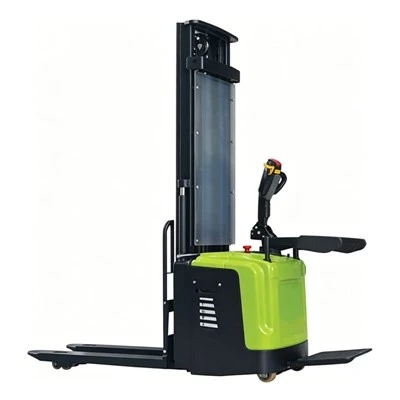
First, let’s keep this simple: a forklift hydraulic system is a closed loop, right? It uses pressurized hydraulic fluid to generate the force needed to lift loads, tilt masts, and adjust attachments. If any part of that loop gets disrupted—from fluid quality to component wear—you’re looking at performance drops or full breakdowns. The first issue we see more than any other is contaminated hydraulic fluid. This isn’t just “dirty fluid” in the generic sense; contamination comes in three forms, and each one causes different damage. Let’s start with particulate contamination: tiny metal shavings, dust from warehouse floors, or seal fragments that get into the fluid when you change filters, refill tanks, or even through worn breathers on the reservoir. A lot of operators don’t realize that forklift hydraulic systems operate at pressures up to 3,000 PSI—those tiny particles act like sandpaper, grinding down piston seals, pump components, and cylinder walls over time. Last quarter, we had a customer who’d skipped fluid changes for 18 months; when we drained his system, we pulled out more than a teaspoon of metal shavings from the gear pump, and he ended up needing a full pump replacement instead of a routine service. The second form is water contamination, which often seeps in through condensation in the hydraulic tank, especially in temperature-variable warehouses. Water breaks down the fluid’s lubricating properties, leading to increased corrosion inside cylinders and pumps. We once had a customer in a cold storage facility who noticed his forklift’s lift felt slow in the morning; a quick fluid test revealed 0.5% water content, enough to cause seal swelling and prevent the system from building proper pressure. The third form is fluid degradation—when old fluid breaks down, forms varnish, and clogs small passages in control valves. Varnish buildup is insidious because it starts as a thin film that slows down valve operation before you even see it, leading to jerky lifts or unresponsive tilts.
Second on our list is seal and gasket failure, which is the most common cause of external hydraulic leaks, and it’s almost always preventable. Forklift hydraulic systems have dozens of seals and gaskets—static seals between the pump and manifold, dynamic seals on lift cylinders that move as loads lift, and O-rings on valves and fittings. Seals break down over time from two main factors: age and improper fluid choice. Most forklift seals are made from nitrile rubber, which works with standard hydraulic fluid, but if you switch to a synthetic fluid that’s not compatible, you’ll notice seals cracking or swelling within a few hundred operating hours. We had a customer last year who switched to a cheaper synthetic fluid to save money, and within six months, he had 12 leaky lift cylinders across his 8-unit fleet. Another common mistake is over-tightening fittings during maintenance; when you torque a hose or connection too hard, you’ll warp the seal’s housing, leading to leaks even if the seal itself is in good shape. What’s tricky about seal failure is that it often starts small—maybe a tiny drip from a cylinder rod when the lift is fully extended. If you ignore that, the drip gets bigger, leading to low fluid levels, which then cause pump cavitation (another issue we’ll get to). We tell all our customers: any external leak, no matter how small, is a red flag that needs immediate attention.
Third, pump cavitation is a problem we see more often in under-maintained systems, and it’s the cause of a lot of sudden breakdowns. Cavitation happens when the hydraulic pump doesn’t get enough fluid, so it pulls in air along with the fluid, creating tiny vapor bubbles in the line. When those bubbles get pressurized, they implode, creating shock waves that erode pump components from the inside. The most common cause of cavitation is low fluid levels in the reservoir—when the fluid drops below the intake line, the pump sucks in air. Another cause is clogged intake filters or strainers; if the filter is covered in dust or debris, the pump can’t pull enough fluid, leading to the same air intake issue. Cavitation doesn’t just ruin pumps, either; it creates a loud, whining noise from the pump that’s hard to miss. If you hear your forklift’s pump making a high-pitched sound when you activate the lift, shut it down immediately—running a cavitating pump for even an hour can reduce its lifespan by 50%. We once had a customer who thought the whine was “normal” for his 10-year-old forklift; when we inspected it, we found the pump had 70% erosion on its impeller, and he’d have needed a $2,000 replacement if he’d waited another month.
Fourth, control valve problems, which are often the root cause of unresponsive or erratic hydraulic function. Control valves are what direct fluid to the lift, tilt, and attachment circuits, and they can get clogged or worn in a few ways. The first is debris clogging in the valve spool; as fluid circulates, small particulates get stuck between the spool and the valve housing, preventing it from moving smoothly. This leads to jerky operation—maybe the lift only goes up halfway, or the tilt function doesn’t engage at all. Another common issue is valve wear: over time, the spool and housing develop grooves from particulate contamination, leading to internal leaks that reduce pressure. Unlike external leaks, internal leaks are invisible, so you might not notice them until your loads start feeling lighter or your lift time doubles. We see this a lot in older forklifts that have run 10,000+ hours without a valve rebuild; the valves lose precision, leading to inconsistent performance. Some customers try to fix this by adjusting the pressure relief valve, but that’s a temporary band-aid—you’re just pushing more pressure through a worn system, which leads to more component failure elsewhere.
Fifth, overheating hydraulic systems, which is a problem that’s often overlooked until it causes fluid breakdown and seal damage. Forklift hydraulic systems are designed to operate between 120°F and 180°F; if they go above 200°F, the fluid starts to degrade, and seals can soften or fail. What causes overheating? The most common culprit is a clogged or malfunctioning hydraulic cooler. The cooler is a small radiator attached to the system, and if it’s covered in dust, lint, or warehouse debris, it can’t dissipate heat. We had a customer in a textile warehouse where lint from fabric buildup completely blocked the cooler, and his fluid hit 220°F in just two hours of operation. Another cause is overloading the forklift beyond its rated capacity—many operators will push a forklift to lift 10% more weight than it’s designed for, which forces the hydraulic system to work harder, generating excess heat. Even operating the forklift at full tilt for extended periods (like holding a load at full height for 15 minutes or more) can cause overheating. We recommend checking your fluid temperature with a non-contact thermometer every month; if it’s above 190°F, shut the system down and investigate the cooler or load practices, not just add more fluid.
Now, let’s talk about why these issues matter for you, as a forklift operator or fleet manager. A single hydraulic breakdown can cost you $500 to $5,000 in repair time, depending on the component, and that’s before you factor in lost productivity—downtime in a warehouse can cost thousands of dollars an hour in missed shipments, delayed orders, and idle labor. The good news is almost all of these problems are preventable with a consistent maintenance routine. Let’s outline the steps we recommend to our customers to avoid these common issues: first, change your hydraulic fluid and filter every 1,000 operating hours (or every year, whichever comes first) for standard applications, and every 600 hours for heavy-duty use (like cold storage or textile warehouses). When you change fluid, make sure to clean the reservoir and check for metal shavings, which will alert you to pump or gear wear early. Second, inspect all seals, fittings, and hoses every quarter for leaks, and stick to the manufacturer’s fluid specifications—don’t mix synthetic and mineral-based fluids, and never use a cheaper fluid that’s not compatible with your forklift’s system. Third, monitor fluid levels daily; top off with the same type of fluid you’re already using, and make sure the reservoir’s breather cap is clean to prevent dust and water from getting in. Fourth, listen for pump noise—any whine or grinding is a sign of cavitation or wear, and address it immediately instead of ignoring it. Fifth, check your cooler every month to make sure it’s not blocked, and avoid overloading your forklift or holding loads at full height for long periods.
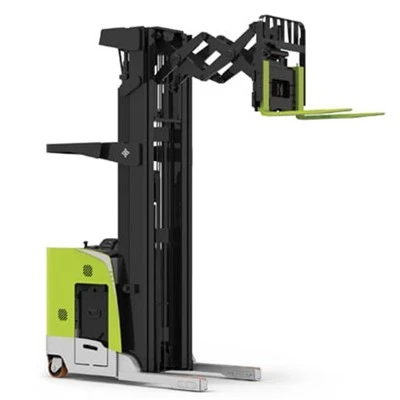
As a forklift supplier, we don’t just sell you a unit and walk away—we’re here to help you keep it running. We’ve seen too many small businesses lose money because of avoidable hydraulic issues, and that’s why we offer routine service checks, fluid analysis, and aftermarket parts for every make and model of forklift. If you’re noticing jerky lifts, leaks, or unusual pump noises, or you want to put a proactive maintenance plan in place for your fleet, we’re here to walk you through solutions tailored to your needs. Don’t wait for a breakdown to disrupt your operations—reach out to our team to discuss your forklift hydraulic system needs, and let’s make sure your material handling runs smoothly.
Hand Pallet Trucks References
- National Institute for Occupational Safety and Health. (2022). Forklift Maintenance and Hydraulic System Safety Guidelines. U.S. Department of Health and Human Services.
- Hydraulic Institute. (2021). Hydraulic Fluid Contamination and Component Wear Best Practices. Hydraulic Standards and Technology Council.
- OSHA. (2023). Powered Industrial Truck (Forklift) Inspection and Maintenance Requirements. Occupational Safety and Health Administration.
- Society of Automotive Engineers. (2020). Standard Practice for Hydraulic Fluids in Material Handling Equipment. SAE International.
Hangzhou Carry Equipment Co., Ltd.
Hangzhou Carry Equipment Co., Ltd. is one of the most professional forklifts manufacturers and suppliers in China, also supports customized service. Please feel free to buy advanced forklifts for sale here and get quotation from our factory. For price consultation, contact us.
Address: No.360 Tongxiang Rd., Yinzhou Economic Development Zone, Yinzhou Dist., Ningbo, China
E-mail: Sales@carryupmhe.com
WebSite: https://www.carrymhe.com/
