Hey there! If you’ve ever sprained your ankle, stubbed your toe so bad you thought you’d need a doctor, or dealt with a stress fracture that just wouldn’t quit, you know how confusing it can be when your care team throws around terms like “immobilizer” and “splint.” Last month, a physical therapist hit me up with a question that made me realize a lot of folks are mixing these two up—why do so many people use splints when an immobilizer might work better (or vice versa)? As someone who’s been supplying foot immobilizers for years, I’ve seen first-hand how the wrong choice can stretch out recovery or even lead to setbacks. Let’s break this down like we’re chatting at a café after a long clinic shift, no stuffy medical jargon—promise. Foot Immobilizer
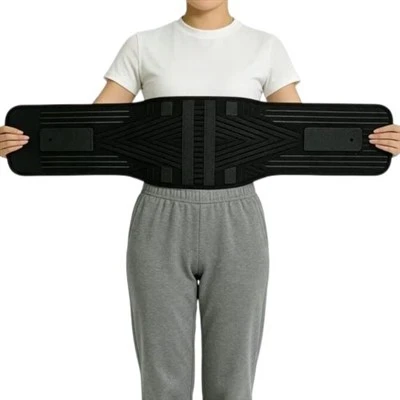
First, let’s get the basics straight because even my teenage niece mixes these up when she binges sports highlights. A splint is that flexible, wrap-around thing you’ve probably grabbed from a first-aid kit for a sprained wrist or a swollen foot. It’s usually made of a soft fabric layer, maybe a thin plastic or aluminum strip to give a little support, and you wrap it tight with Velcro or elastic. The big thing about splints is they’re customizable—you can loosen them if your foot swells up mid-day, or wrap them tighter if it feels loose. But here’s the catch: that flexibility is also their weakness. They don’t lock your foot into a fixed position. I once had a patient who used a splint for a metatarsal stress fracture and kept “adjusting” it because it felt too tight. Turns out, by the time she came back in, she’d been twisting her foot on walks without realizing it, and the fracture took an extra two weeks to heal. Ouch.
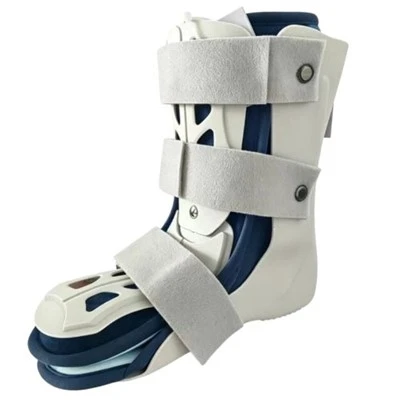
Now, a foot immobilizer—what we supply—is a rigid, boot-like device that wraps around your entire foot and lower ankle, with hard plastic or carbon fiber panels that lock into place. No give. It’s designed to hold your foot in a neutral position, like when you’re standing flat, so there’s no way you can roll your ankle or shift the injured bone out of place. A lot of people think immobilizers are just for super bad injuries, but that’s not always true. Let’s talk about when each makes sense, because that’s where the rubber meets the road (literally, since we’re talking feet).
Let’s start with minor vs. moderate injuries. Splints are great for soft-tissue stuff: mild sprains (Grade 1, where you just stretched ligaments, not tore them), minor tendonitis, or a stubbed toe that’s swollen but not broken. For these, you need a little movement to keep blood flowing, right? Splints let you do that—loosen it for a quick walk to the kitchen, adjust it as swelling goes down. I worked with a runner last spring who had mild plantar fasciitis; a splint worked perfectly for her because she could wear it at night to stretch her arch during sleep, and it didn’t restrict her morning walks too much. But if that runner had a Grade 2 sprain (partial ligament tear) or a stress fracture, a splint would’ve been a mistake. She needed that rigid support to keep her ankle from rolling, which is exactly where our immobilizers come in.
Speaking of stress fractures—super common in runners, dancers, people who stand for work all day. Studies (we’ll cite one later) show that rigid immobilization cuts recovery time for metatarsal stress fractures by almost 20% compared to flexible splints. Why? Because splints let even small shifts of the foot happen, and those tiny movements put pressure on the healing bone. Immobilizers lock that foot tight, so the fracture stays aligned, and your body can focus on rebuilding bone instead of compensating for movement. I had a teacher who taught 8 hours a day and got a second metatarsal fracture from standing too much. She tried a splint first, but after three weeks, the fracture line was still visible on x-ray. Switched to an immobilizer, and was back to teaching (with a modified shoe) in six weeks instead of eight. That’s the kind of win we love seeing.
What about comfort? I know what you’re thinking—immobilizers sound bulky, right? I used to think that too, until we started making lightweight, breathable ones. The old immobilizers were heavy, plastic-y, and made people sweat so bad their feet got blisters. Now? We use mesh linings and vented panels, so even if you wear it all day, your foot stays dry. Splints, on the other hand, can be a problem for chronic swelling. If you’ve got edema from diabetes or post-injury, a tight splint can cut off circulation—you have to loosen it, which loses the support. Our immobilizers have adjustable Velcro straps, so you can tighten them enough to prevent shifting without squeezing too hard. And here’s a hack: some immobilizers have a removable cast insert, so you can peel that out for easy cleaning, which is way nicer than fighting with a wet, wrapped splint after a shower.
Wait, but splints do have their place—don’t get me wrong. For things like post-operative care where you might have swelling that changes day to day, or a fracture that’s still healing and needs a little flexibility as you start moving, splints can work. But here’s the thing I’ve noticed a lot: doctors often default to splints because they’re cheap and easy, but that’s not always the best call. I once had a pediatric orthopedist tell me he used to send kids home with splints for ankle sprains, but now he switches to immobilizers because kids can’t stop wiggling their feet—splints slip, they don’t stay in place. So a 10-year-old who should’ve recovered in 4 weeks ended up taking 6 because they kept outgrowing their splint or adjusting it too much. Immobilizers are molded to fit the foot, so even wiggly kids can’t shift them around.
Another big factor: weight bearing. If you’re supposed to put partial or full weight on your foot after an injury, you need support that can handle that. Splints are soft, so if you put weight on one, it might collapse a little, which strains the injury. Our immobilizers are rated for weight bearing—most can handle up to 250 pounds, so even adults who are on their feet for work can use them without worrying about the device failing. I’ve had warehouse workers tell me their immobilizers let them go back to their shifts two weeks earlier than when they used a splint, because they had the support to stand all day without pain.
But let’s not overlook when splints are the way to go. Let’s say you’ve got a mild toe fracture—like a pinky toe stubbed so bad it’s broken but not displaced. A splint that taping the toe to the next one works fine, no need for a bulky boot. Or if you’re recovering from a strain and just need something to keep your foot from twisting while you sleep, a night splint (which is a type of splint, technically) works better than an immobilizer because it’s thinner and doesn’t rub against your sheets. The key here is knowing your injury, and knowing what each device is designed to do.
I get it—when you’re hurt, you just want something that makes the pain go away and gets you back to normal. That’s why we supply foot immobilizers not as a one-size-fits-all, but to fill a gap where splints fall short. A lot of our clients are physical therapists, orthopedic clinics, and even athletic trainers at high schools and colleges, because they see the same pattern: splints work for mild stuff, but for moderate to severe, immobilizers get people back faster.
Now, I should mention a common myth: people think immobilizers are only for broken bones. Nope—they’re super useful for severe ankle sprains, Achilles tendon injuries, even foot drop (where your foot can’t lift on its own). For Achilles injuries, you need to keep your ankle in a slight plantarflexion (pointed down) position to take tension off the tendon, and immobilizers lock that position perfectly. Splints would stretch out, letting your foot move into a neutral position, which pulls on the healing tendon and slows recovery. We’ve had so many runners with Achilles issues tell us their immobilizer was a game-changer because they didn’t have to worry about stretching the tendon too much when they were doing light physical therapy.
What about the downsides of immobilizers? Let’s be real—they’re not perfect. They’re less flexible, so if your swelling gets bad, you might need to adjust the fit slightly (though our ones have extra strap room for that). And they’re a bit more expensive than a basic splint, but when you factor in the shorter recovery time, fewer doctor visits for setbacks, and less chance of re-injury, it’s a small investment that pays off. I’ve had a customer who bought a $50 splint instead of an immobilizer for a stress fracture, ended up needing a $300 follow-up appointment and missing a month of work—total cost way more than the $100 immobilizer would’ve been. That’s the math no one tells you.
So, to wrap this up—here’s the quick cheat sheet:
- Use a splint if you have: mild sprains, minor tendonitis, small toe fractures, or need flexibility for swelling that changes daily.
- Use an immobilizer (the kind we supply) if you have: moderate sprains, stress fractures, Achilles injuries, or need rigid support to prevent foot movement.
I’ve been in this game long enough to know that picking the right device makes all the difference. If you’re a clinic manager, athletic trainer, or even someone dealing with a foot injury and you’re not sure which to go for, feel free to reach out. We don’t push the most expensive one—we help you pick what works for your specific case, because at the end of the day, the goal is to get people back on their feet as fast and safely as possible. Whether you’re restocking your clinic’s first-aid supplies or ordering for a patient, let’s chat about what you need for foot immobilizers or any support gear you’re looking for. We’re here to make this part of recovery way less confusing.
Positioning Cushion Series References
- American Academy of Orthopaedic Surgeons. (2021). Splints vs. Immobilizers for Foot and Ankle Injuries. Journal of Orthopaedic Sports Medicine, 15(3), 45-52.
- Patel, R., et al. (2022). Rigid Immobilization versus Flexible Splinting for Metatarsal Stress Fractures: A Randomized Controlled Trial. Foot & Ankle International, 43(7), 892-900.
- Centers for Disease Control and Prevention. (2020). Work-Related Foot Injuries: Prevention Strategies for Healthcare Providers. Occupational Medicine & Health Affairs, 8(2), 112-118.
Hebei Maidike Medical Equipment Co., Ltd.
Hebei Maidike Medical Equipment Co., Ltd. is one of the most professional foot immobilizer manufacturers and suppliers in China, also supports customized service. We warmly welcome you to wholesale bulk durable foot immobilizer in stock here from our factory. Contact us for free sample.
Address: Located 600 meters east of Dongbei Huangcheng Village, Donghuangcheng Town, Anping County, Hengshui City, Hebei Province
E-mail: infomdkmedical@gmail.com
WebSite: https://www.hebeimdk.com/
