When I first started working as a table type mahjong machine supplier nearly eight years ago, I’d get a lot of questions from potential buyers—casual players who hosted game nights, small café owners looking to add entertainment options, even family members buying for elderly relatives who love the game. The most common question back then wasn’t about price, durability, or how easy it is to shuffle tiles. It was: “How loud is this thing when it’s running?” Table Type Mahjong Machine
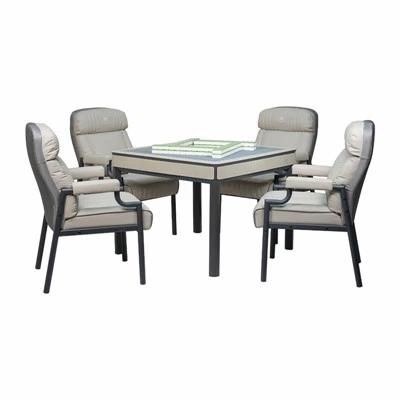
I get why that matters. Mahjong is a game of focus, strategy, and quiet camaraderie. When you’re huddled around a table with three other people, listening to the clink of tiles is part of the charm—but when a machine starts whirring, grinding, or making a noise that carries across a busy café floor, it can ruin the experience. Over the years, I’ve tested every machine my factory produces, worked with acoustics engineers to fine-tune designs, and spoken to hundreds of customers about noise-related frustrations. Today, I want to break down the science behind table type mahjong machine noise, explain what you can expect when one runs, and share why it’s one of the most important features to consider when choosing a machine.
First, let’s talk about how a table type mahjong machine works, because the noise directly comes from its internal parts. Unlike a manual mahjong set, where players slide and mix tiles by hand, these automated machines have a few key components: tile sorting trays, motors, a shuffling mechanism, and a tile lift system. The process goes like this: after each round, players push used tiles into the center of the table. The machine pulls those tiles into the base, where a sorting mechanism separates the tiles by suit and number. Then, small motors lift each set of sorted tiles up to the table surface for the next round. Each of these steps generates noise, and how loud that noise is depends on how the machine is built.
To put that noise into perspective, we use a unit called decibels (dB) to measure sound intensity. A whisper is about 30 dB, normal conversation is around 60 dB, and a busy street traffic at rush hour is about 85 dB. When I first tested early prototype machines, some were hitting 75 dB—similar to a vacuum cleaner running a few feet away. That was a problem. For a small game table in a home, that might be manageable, but for a café with other customers ordering drinks or chatting, it was too loud. Over time, my team worked with engineers to reduce that number. Today, the standard models we supply clock in between 50 dB and 65 dB when running at full speed. Let’s translate that: 50 dB is like a quiet library, 65 dB is like a normal conversation across a small room. That’s a huge difference, and it comes down to two main design choices: material quality and internal noise-dampening features.
One of the biggest sources of noise in older machines was the tile sorting mechanism. Early models used cheap plastic parts to sort tiles, which would clink together as they moved through the trays. My factory switched to using high-density ABS plastic, a durable, rigid material that absorbs vibration better than thin, flimsy plastic. We also added rubber gaskets between moving parts to cushion the impact of tiles as they slide into place. Another key change was in the motor system. Many budget machines use single-speed motors that run at high RPMs (revolutions per minute) to shuffle tiles quickly, but that creates more friction and noise. Our machines use variable-speed motors that adjust their speed based on how many tiles are in the tray. If there are fewer tiles, the motor runs slower, cutting down on noise without sacrificing speed.
But not all table type mahjong machines are the same, and noise levels can vary a lot between models. There are a few factors that affect how loud your machine will be. First, the size and thickness of the table itself. A heavier, sturdier table (usually made with a solid wood base instead of thin MDF) won’t vibrate as much while the machine runs, which reduces the noise that travels through the table top. I always recommend that customers test the machine’s stability before buying—if the table feels wobbly when you push on the side, it’s probably going to make more noise when the motor runs. Second, the type of tiles you use. Plastic tiles are lighter and quieter than ceramic tiles, which are denser and clink more loudly when they fall into place. That’s not to say ceramic tiles are bad—they feel more authentic—but if noise is a top priority, plastic tiles will help lower the overall sound level.
I’ve seen firsthand how a noisy machine can ruin a customer’s business. A small café owner in downtown Seattle came to me two years ago, saying their mahjong table was driving away customers. They had a budget machine that was hitting 72 dB—loud enough that people sitting at adjacent tables couldn’t hear each other, let alone enjoy the game. We replaced it with our mid-range model, which runs at 58 dB. A month later, they told me their mahjong nights went from half-full to standing room only. The difference wasn’t just in the noise level; it was in the atmosphere. Players could talk, laugh, and focus without feeling like they were sitting next to a running appliance. That’s the thing about mahjong machines: they should enhance the game, not compete with it for attention.
Another common misconception is that all automated mahjong machines are loud. I’ve had customers tell me, “I tried one before and it was so noisy I couldn’t sleep when my mom played it at home.” That was almost certainly an older, low-quality model from a few years ago. Today’s modern machines are designed with noise reduction as a key feature. We even offer a “quiet mode” on some of our premium models, which slows the motor even further during shuffling, bringing the noise level down to 45 dB—about as quiet as a refrigerator running. That’s perfect for home use, where players might want to play late at night without disturbing other family members or neighbors.
Of course, there’s a balance here. Some players love the satisfying “shuffle” sound of tiles, and a machine that’s too quiet might feel like it’s missing that charm. Our team tests every machine’s noise level during the design process to make sure it’s not too loud, but also not so quiet that it feels lifeless. We aim for a noise level that’s just audible enough to signal the machine is working, but not so loud that it interrupts the game. For example, our standard model’s 60 dB noise is exactly the same as a group of four players chatting across the table. The tile clinks blend in with the conversation, so it feels natural, not mechanical.
When I talk to potential buyers, I always walk them through how we measure noise, and what that number means for their specific use case. A customer who’s buying a machine for a home game room might prioritize quiet mode, while a café owner might need a machine that’s loud enough to be efficient, but not so loud that it disturbs other patrons. I also offer on-site testing for local customers, where they can see and hear the machine running in the space where they’ll use it. That way, they can make an informed decision, instead of just relying on a number on a spec sheet.
I’ve been in this industry long enough to know that choosing a table type mahjong machine isn’t just about getting a tool to shuffle tiles. It’s about investing in a product that will bring people together, whether that’s family gatherings, friends’ game nights, or a neighborhood café’s weekly mahjong night. Noise is a big part of that experience, and it’s something we take very seriously. Over the years, we’ve updated our designs, worked with acoustics experts, and listened to our customers to make sure our machines are as quiet as they can be without losing the charm that makes mahjong special.

If you’re in the market for a table type mahjong machine, I encourage you to ask about noise levels, test the machine if you can, and consider what you’ll use it for. Whether it’s for your home, a small business, or a community space, a machine with the right noise level will make every game more enjoyable. To learn more about our machines, see detailed noise level tests, or discuss which model is best for your needs, don’t hesitate to reach out to our team. We’re here to answer your questions, show you our products, and help you find the perfect mahjong machine for your space.
Accessories References
- Acoustical Society of America. (2022). Noise Measurement Standards for Household Appliances.
- Mahjong Industry Association. (2021). User Guide for Automated Mahjong Machine Noise Reduction.
- Engineering Materials & Design Journal. (2020). Vibration Damping in Automated Gaming Devices.
- Small Business Association. (2023). Acoustics for Entertainment Venues: Mahjong Table Best Practices.
Gletus Technology(Shaoxing)Co., Ltd.
We’re well-known as one of the leading table type mahjong machine manufacturers and suppliers in China, featured by quality products and good service. Please feel free to wholesale high quality table type mahjong machine at competitive price from our factory. Contact us for more details.
Address: Room 203, 2nd Floor, No.8 Deyuan Road, Jiyang Street, Zhuji City, Zhejiang Province
E-mail: admin@gletus-okey.com
WebSite: https://www.gletus-okey.com/
