As a supplier of shrink sleeve labeling, I’ve witnessed firsthand the significant role these labels play in product packaging. Shrink sleeve labels offer a high degree of flexibility, allowing for full – body coverage and eye – catching designs that can enhance a product’s shelf appeal. However, it’s also crucial to understand the environmental impacts of the different materials used in shrink sleeve labeling. Shrink Sleeve Labeling
Polyvinyl Chloride (PVC)
PVC has been a popular choice for shrink sleeve labeling for many years. It is known for its excellent shrink properties, clarity, and cost – effectiveness. PVC can shrink tightly around containers of various shapes and sizes, providing a seamless and professional look.
From an environmental perspective, PVC has several drawbacks. During its production, PVC manufacturing involves the use of chlorine, a highly toxic substance. The production process can release dioxins, which are persistent organic pollutants that can have severe health and environmental impacts. Dioxins are known to be carcinogenic, and they can bioaccumulate in the food chain.
When it comes to disposal, PVC is not easily biodegradable. Incinerating PVC can release harmful chemicals, including hydrogen chloride gas, which can contribute to air pollution and acid rain. Recycling PVC is also challenging due to the presence of additives and the complexity of separating it from other plastics. As a result, a large amount of PVC – based shrink sleeve labels end up in landfills, where they can persist for hundreds of years.
Polyethylene Terephthalate Glycol (PETG)
PETG is a clear, amorphous thermoplastic that has gained popularity as an alternative to PVC in shrink sleeve labeling. It offers similar shrink properties to PVC, with good clarity and printability. PETG is also more environmentally friendly than PVC in several ways.
The production of PETG generally has a lower environmental impact compared to PVC. It does not involve the use of chlorine, so there is no risk of dioxin release during manufacturing. PETG is also recyclable. It can be melted down and reused to make new products, which helps to reduce the demand for virgin materials.
However, PETG still has some environmental challenges. Its production requires energy, and the extraction of raw materials for PETG production can have environmental consequences, such as habitat destruction and water pollution. Additionally, while it is recyclable, the recycling rate of PETG is not as high as it could be, mainly due to the lack of proper collection and sorting systems in many regions.
Oriented Polystyrene (OPS)
OPS is another material used in shrink sleeve labeling. It is a lightweight and transparent plastic with good shrink characteristics. OPS is often chosen for its excellent printability, which allows for high – quality graphics and vibrant colors on labels.
In terms of environmental impact, OPS has both positive and negative aspects. On the positive side, OPS is a relatively low – energy material to produce compared to some other plastics. It is also recyclable, and when recycled, it can be used to make new products such as packaging materials and insulation.
However, like other plastics, OPS is not biodegradable. If not properly recycled, it can end up in landfills or the environment, where it can take a long time to break down. There are also concerns about the potential release of styrene, a possible human carcinogen, during the production and disposal of OPS.
Biodegradable and Compostable Materials
In recent years, there has been a growing interest in using biodegradable and compostable materials for shrink sleeve labeling. These materials, such as polylactic acid (PLA) and starch – based polymers, are derived from renewable resources like corn, sugarcane, or potatoes.
Biodegradable and compostable materials offer significant environmental benefits. They can break down naturally in the environment, reducing the amount of plastic waste in landfills and oceans. The production of these materials also generally has a lower carbon footprint compared to traditional plastics, as they use renewable resources and require less energy during manufacturing.
However, there are some challenges associated with using these materials. Biodegradable and compostable materials may have different performance characteristics compared to traditional plastics. For example, they may have lower heat resistance, which can affect the shrink process. They may also be more expensive, which can be a barrier for some businesses. Additionally, proper disposal conditions are required for these materials to break down effectively. If they end up in a landfill where there is limited oxygen and moisture, they may not degrade as expected.
Minimizing the Environmental Impact
As a shrink sleeve labeling supplier, we are committed to minimizing the environmental impact of our products. We are constantly exploring new materials and technologies to reduce our carbon footprint. For example, we are working on improving the recycling rates of our products by educating our customers about proper disposal methods and collaborating with recycling facilities.
We also offer customers the option to use more environmentally friendly materials, such as PETG and biodegradable polymers. By working closely with our customers, we can help them choose the most suitable material for their specific needs while considering the environmental impact.
In addition, we are investing in research and development to develop new materials that are both environmentally friendly and have excellent performance characteristics. We believe that by combining innovation with sustainability, we can create shrink sleeve labels that are not only visually appealing but also have a minimal impact on the environment.
Why Choose Us?
When it comes to shrink sleeve labeling, choosing the right supplier is crucial. We have years of experience in the industry, and we understand the environmental challenges associated with different materials. Our team of experts can provide you with in – depth knowledge and guidance on selecting the most suitable material for your products.
We are committed to providing high – quality shrink sleeve labels that meet your design and performance requirements. Whether you need labels for food, beverage, cosmetics, or other products, we can offer customized solutions.
Our dedication to sustainability sets us apart from other suppliers. We are constantly striving to reduce the environmental impact of our products, and we believe that by working together with our customers, we can make a positive difference in the environment.
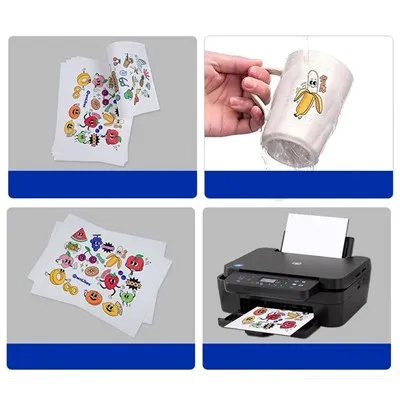
Self-adhesive Printing Paper If you are interested in learning more about our shrink sleeve labeling products or would like to discuss your specific needs, we encourage you to reach out to us. We look forward to the opportunity to work with you and help you create labels that are both beautiful and environmentally responsible.
References
- Allen, D. T., & Shonnard, D. R. (2002). Green engineering: environmentally conscious design of chemical processes. Prentice Hall.
- Patel, M. K. (2003). Environmental assessment of polymers and plastics: an introduction. Journal of Polymer and the Environment, 11(1), 1 – 8.
- Thompson, R. C., Moore, C. J., vom Saal, F. S., & Swan, S. H. (2009). Plastics, the environment and human health: current consensus and future trends. Philosophical Transactions of the Royal Society B: Biological Sciences, 364(1526), 2153 – 2166.
Nanjing Green Label Printing Co., Ltd.
We are one of the most professional shrink sleeve labeling manufacturers and suppliers in China, also support customized service. We warmly welcome you to wholesale high quality shrink sleeve labeling at competitive price from our factory. For pricelist and quotation, contact us now.
Address: No. 116-3 Suyuan Avenue, Jiangning District, Nanjing
E-mail: greenlabel@126.com
WebSite: https://www.chinalabelprint.com/
