Polyester stretch fabric is a remarkable textile that has gained immense popularity in various industries, from fashion to sportswear and home furnishings. As a supplier of this versatile material, I’m often asked about its composition. In this blog post, I’ll delve into the details of what makes up polyester stretch fabric, exploring its components, how they work together, and the benefits they bring. Polyester Stretch Fabric

The Basics of Polyester
Let’s start with the foundation of polyester stretch fabric: polyester itself. Polyester is a synthetic polymer made through a chemical process called polymerization. It is typically derived from petrochemicals, which are refined to create the building blocks for the polyester fibers.
The most common type of polyester used in textiles is polyethylene terephthalate (PET). PET is formed by reacting ethylene glycol with terephthalic acid or dimethyl terephthalate. This reaction results in long chains of repeating units, which are then spun into fibers. These fibers are strong, durable, and resistant to stretching and shrinking.
One of the key advantages of polyester is its versatility. It can be engineered to have different properties, such as varying degrees of strength, elasticity, and moisture-wicking ability. This makes it suitable for a wide range of applications, from lightweight summer clothing to heavy-duty industrial fabrics.
The Role of Stretch in Polyester Fabric
While polyester on its own is relatively inelastic, the addition of stretch components is what gives polyester stretch fabric its unique properties. There are several ways to introduce stretch into polyester fabric, but the most common method is by blending it with elastane, also known as spandex or Lycra.
Elastane is a synthetic fiber that is known for its exceptional elasticity. It can stretch up to 500% of its original length and then return to its original shape without losing its elasticity. When blended with polyester, elastane adds stretch and recovery to the fabric, allowing it to move with the body and provide a comfortable, form-fitting feel.
The amount of elastane in a polyester stretch fabric can vary depending on the desired level of stretch. In general, fabrics with a higher percentage of elastane will have more stretch and a greater ability to conform to the body. However, too much elastane can also make the fabric less durable and more prone to pilling.
Other Components in Polyester Stretch Fabric
In addition to polyester and elastane, polyester stretch fabric may also contain other components to enhance its performance and appearance. These can include:
- Cotton: Blending polyester with cotton can add softness, breathability, and absorbency to the fabric. Cotton is a natural fiber that is comfortable to wear and has good moisture-wicking properties. A polyester-cotton blend can combine the best of both worlds, providing the stretch and durability of polyester with the comfort and breathability of cotton.
- Nylon: Nylon is another synthetic fiber that is often used in polyester stretch fabric. It is strong, abrasion-resistant, and has good elasticity. Adding nylon to a polyester stretch fabric can increase its strength and durability, making it suitable for applications that require high performance, such as sportswear and outdoor gear.
- Rayon: Rayon is a semi-synthetic fiber made from wood pulp. It is soft, breathable, and has a luxurious feel. Blending polyester with rayon can add drape and fluidity to the fabric, making it suitable for garments that require a more flowing silhouette, such as dresses and skirts.
- Finishes: Polyester stretch fabric may also be treated with various finishes to enhance its performance and appearance. These can include water-repellent finishes, stain-resistant finishes, and anti-static finishes. These finishes can add functionality to the fabric and make it more suitable for specific applications.
How the Components Work Together
The components of polyester stretch fabric work together to create a fabric that is strong, durable, stretchy, and comfortable. The polyester fibers provide the backbone of the fabric, giving it strength and durability. The elastane fibers add stretch and recovery, allowing the fabric to move with the body and provide a form-fitting feel. The other components, such as cotton, nylon, and rayon, can enhance the fabric’s performance and appearance, adding softness, breathability, and drape.
The way the components are blended and woven together also plays a role in the fabric’s properties. For example, a fabric with a higher percentage of elastane may be more stretchy but less durable, while a fabric with a higher percentage of polyester may be more durable but less stretchy. The weaving pattern can also affect the fabric’s stretch, breathability, and drape.
Benefits of Polyester Stretch Fabric
Polyester stretch fabric offers several benefits that make it a popular choice for a wide range of applications. Some of the key benefits include:
- Stretch and flexibility: The addition of elastane to polyester fabric allows it to stretch and move with the body, providing a comfortable, form-fitting feel. This makes it ideal for sportswear, activewear, and other garments that require a high degree of mobility.
- Durability: Polyester is a strong and durable fiber that is resistant to stretching, shrinking, and wrinkling. When blended with elastane and other components, polyester stretch fabric can be even more durable, making it suitable for long-term use.
- Moisture-wicking: Polyester is a hydrophobic fiber, which means it repels water. This makes it a good choice for sportswear and other garments that require moisture-wicking properties. Polyester stretch fabric can help keep the body dry and comfortable by wicking away sweat and moisture.
- Easy care: Polyester stretch fabric is easy to care for and can be machine washed and dried. It is also resistant to fading and shrinking, making it a low-maintenance option for everyday wear.
- Versatility: Polyester stretch fabric can be used in a wide range of applications, from fashion and sportswear to home furnishings and industrial fabrics. It can be engineered to have different properties, such as varying degrees of stretch, moisture-wicking ability, and durability, making it suitable for a variety of needs.
Applications of Polyester Stretch Fabric
Polyester stretch fabric is used in a wide range of applications, including:
- Fashion: Polyester stretch fabric is a popular choice for fashion designers because of its stretch, durability, and versatility. It can be used to create a variety of garments, including dresses, skirts, pants, shirts, and jackets. The stretch and form-fitting properties of polyester stretch fabric make it ideal for creating body-hugging styles, while its durability and easy care make it suitable for everyday wear.
- Sportswear: Polyester stretch fabric is widely used in sportswear because of its stretch, moisture-wicking, and durability. It can be used to create a variety of sportswear garments, including athletic shorts, leggings, sports bras, and jerseys. The stretch and flexibility of polyester stretch fabric allow athletes to move freely and comfortably during their workouts, while its moisture-wicking properties help keep them dry and cool.
- Activewear: Polyester stretch fabric is also popular in activewear, which includes clothing designed for activities such as yoga, Pilates, and running. The stretch and breathability of polyester stretch fabric make it ideal for these types of activities, as it allows for a full range of motion and helps keep the body cool and comfortable.
- Home furnishings: Polyester stretch fabric can be used in a variety of home furnishings, including curtains, upholstery, and bedding. The stretch and durability of polyester stretch fabric make it a good choice for these applications, as it can withstand wear and tear and maintain its shape over time.
- Industrial fabrics: Polyester stretch fabric is also used in a variety of industrial applications, such as automotive interiors, marine upholstery, and protective clothing. The strength, durability, and stretch of polyester stretch fabric make it suitable for these applications, as it can withstand harsh conditions and provide long-lasting performance.
Contact Us for Polyester Stretch Fabric
As a supplier of high-quality polyester stretch fabric, we offer a wide range of options to meet your specific needs. Whether you’re a fashion designer, sportswear manufacturer, or home furnishings retailer, we have the expertise and resources to provide you with the perfect fabric for your project.
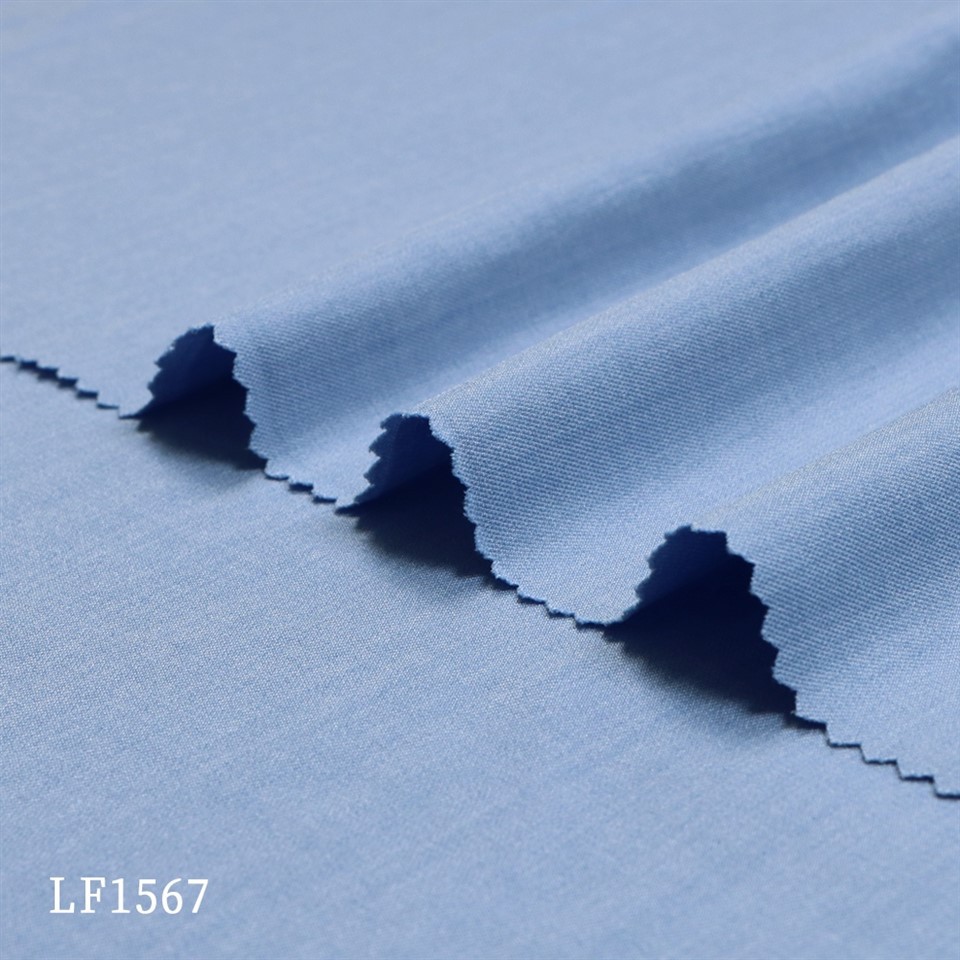
Our polyester stretch fabric is made from the highest quality materials and is available in a variety of colors, patterns, and weights. We also offer custom printing and finishing services to help you create a unique and personalized fabric for your brand.
Cavalry Twill If you’re interested in learning more about our polyester stretch fabric or would like to request a sample, please contact us today. Our team of experts is available to answer your questions and help you find the perfect fabric for your needs.
References
- "Polyester Fibers." Encyclopedia Britannica.
- "Elastane." Textile School.
- "Cotton." The Cotton Incorporated.
- "Nylon." ScienceDirect.
- "Rayon." The Spruce Crafts.
Shaoxing Huichao Textile Co., Ltd.
As one of the most professional polyester stretch fabric manufacturers and suppliers in China, we offer a wide range of products with superior quality. We warmly welcome you to wholesale bulk polyester stretch fabric in stock here from our factory. If you have any enquiry about cooperation, please feel free to email us.
Address: Shenyue International Build ing, Unit 1603-1605, Keqiao District, Shaoxing City, Zhejiang Province, China
E-mail: darrenzhong@huichaotextile.com
WebSite: https://www.huichaotextile.com/
